By Meghan Schorr
Last Updated: 1/12/26 - 3 min Read
Key Takeaways:
-
True tailoring carries visible and invisible value. A hand-finished hem or perfectly placed dart signals time, skill, and care—qualities that don’t show up on a price tag but define the soul of a garment.
-
Fast fashion distorts our sense of what clothing should cost. Mass production and discount culture have trained consumers to see low prices as normal, often ignoring the human labor and expertise required to make quality pieces.
-
Craftsmanship is both economic and ethical. When a garment is priced fairly, it reflects living wages, responsible production, and respect for artisan skill, not just fabric and factory time.
-
Global supply chains hide who pays the real price. Behind underpriced clothing are often underpaid makers, rushed timelines, and cut corners—costs that are pushed onto people and the planet instead of the final tag.
-
Choosing well-made clothing is a values decision. Investing in fewer, better pieces supports artisans, preserves heritage techniques, and aligns your wardrobe with what you say you care about.
-
La’ Agra positions itself on the side of craft, not volume. The brand argues that each piece should justify its existence through longevity, intention, and impact—an invitation to see your closet as a reflection of your ethics, not just your style.
Tailoring has always been about more than stitches. It’s about structure, not only in the physical garment, but in the values behind it. In a world dominated by speed and scale, a hand-finished hem or precisely placed dart carries a deeper meaning: time was taken here. Care was given.
But in today’s fashion economy, the cost of that care is rising.
As global tariffs continue to increase — especially on imported textiles and garments — small fashion labels face a growing challenge: how to preserve the integrity of craft without compromising price, sourcing, or values. These aren’t corporations with margins padded by mass production. These are brands built on intentionality, often sourcing fabrics internationally to support artisanal labor and heritage techniques.
Behind every handcrafted piece is a delicate balance of tradition, time, and thoughtful sourcing. Many slow fashion brands work with artisans around the world—not only for their specialized skills, but for the rich histories and cultural techniques that bring each design to life. While larger retailers can adapt quickly and prioritize cost over quality, smaller makers rely on global craftsmanship to maintain the integrity of their pieces. Supporting these brands means investing in heritage, detail, and a more meaningful kind of fashion—where every purchase helps sustain artistry across borders.
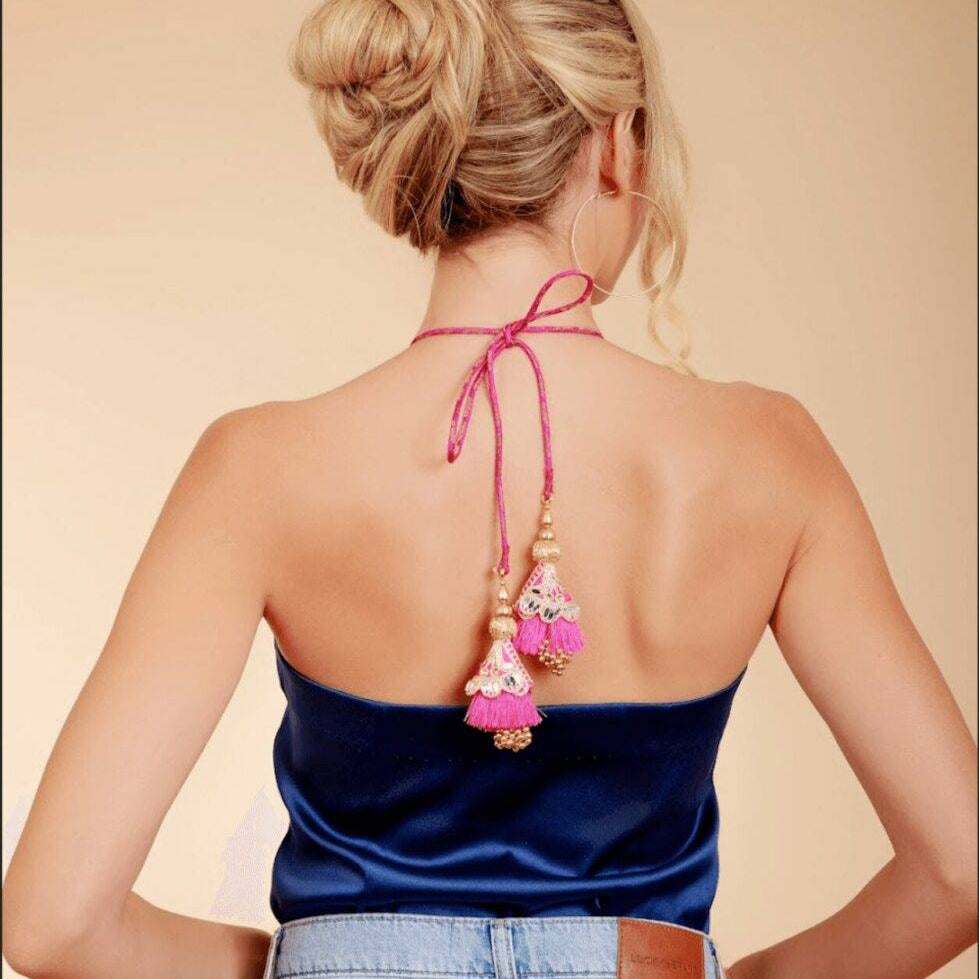
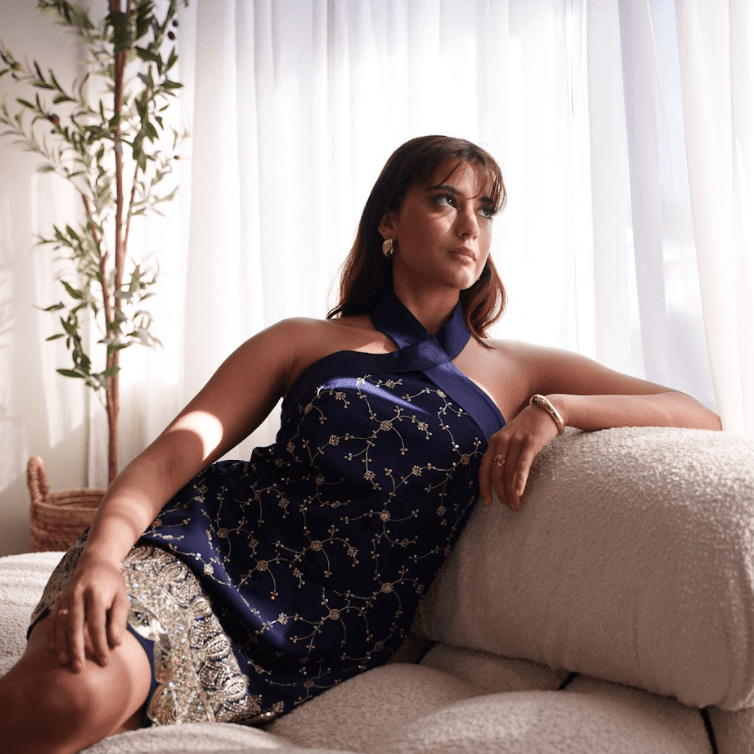
Because tailoring, and the ethos behind it, is worth preserving. A hand-cut pattern. A mirrored stitch. A garment that moves with you, rather than just hanging on you. These are not just luxuries — they are evidence of human effort in a world of automation. They are acts of resistance in an industry built on shortcuts.
The Value of What You Wear
Every time you choose a piece made with intention—whether it’s a tailored trouser or a structured dress—you’re investing in more than aesthetics. You’re supporting the idea that fashion should be rooted in longevity. That beauty can exist beyond trends. And most importantly, you’re contributing to the preservation of cultural craftsmanship—honoring generations of skill, artistry, and storytelling. The future of style lies in sustainability, not speed—and in uplifting the hands and histories behind what we wear.
Now more than ever, where you shop has an impact. Who you support shapes the future of fashion.
As consumers, we hold power. In choosing craftsmanship over convenience, we send a signal: this matters. Because the best pieces don’t just fit your body. They reflect your values.They tell a story. And they’re made to stay.