By: Angie Reyes
Last Updated: 1/12/26 - 5 min Read
Key Takeaways:
-
Floral patterns in South Asia have ancient roots. The article traces floral motifs back to the Indus Valley Civilization, showing how long flowers have symbolized beauty, growth, and renewal in the region.
-
The Mughal era was a turning point for floral design. Under Mughal influence, florals became more detailed and artistic, appearing in textiles, architecture, and royal attire as refined symbols of luxury and power.
-
Chintz took South Asian florals global. Hand‑printed and painted cottons featuring florals traveled via trade routes, shaping European tastes and making South Asian motifs famous worldwide.
-
Modern South Asian luxury still leans on florals. Contemporary designers (including La’ Agra) reinterpret these historic patterns with updated silhouettes and styling, keeping the motifs relevant and wearable today.
-
Floral patterns are part of a “blooming legacy.” The piece frames florals not as a passing trend, but as a continuous visual language that carries culture, memory, and artistry across generations.
Flowers have always symbolized beauty, growth, and renewal. In South Asia, floral patterns carry a vibrant history, deeply tied to culture, tradition, and artistry. Let’s explore how these motifs have evolved into icons of luxury fashion.
Ancient Beginnings
Floral motifs in South Asia date back to the Indus Valley Civilization, appearing in terracotta designs and seals. Over time, they became prominent in textiles, reflecting nature’s beauty and spiritual significance.
The Mughal Era: Artistic Flourish
The Mughal period (16th-18th century) marked the golden age of South Asian floral designs. Persian influences combined with Indian craftsmanship created intricate motifs in architecture, like the Taj Mahal, and textiles such as brocade and jamdani. Lotus, jasmine, and tulip patterns symbolized royalty and elegance, dyed with natural pigments for timeless beauty.
Chintz and Global Fame
In the 17th century, Indian chintz—vibrant, hand-printed floral cotton—became a global sensation. European demand skyrocketed, showcasing South Asia’s unmatched artistry. Though copied abroad, authentic chintz’s natural dyes and detailed patterns remained unparalleled.
Modern South Asian Luxury
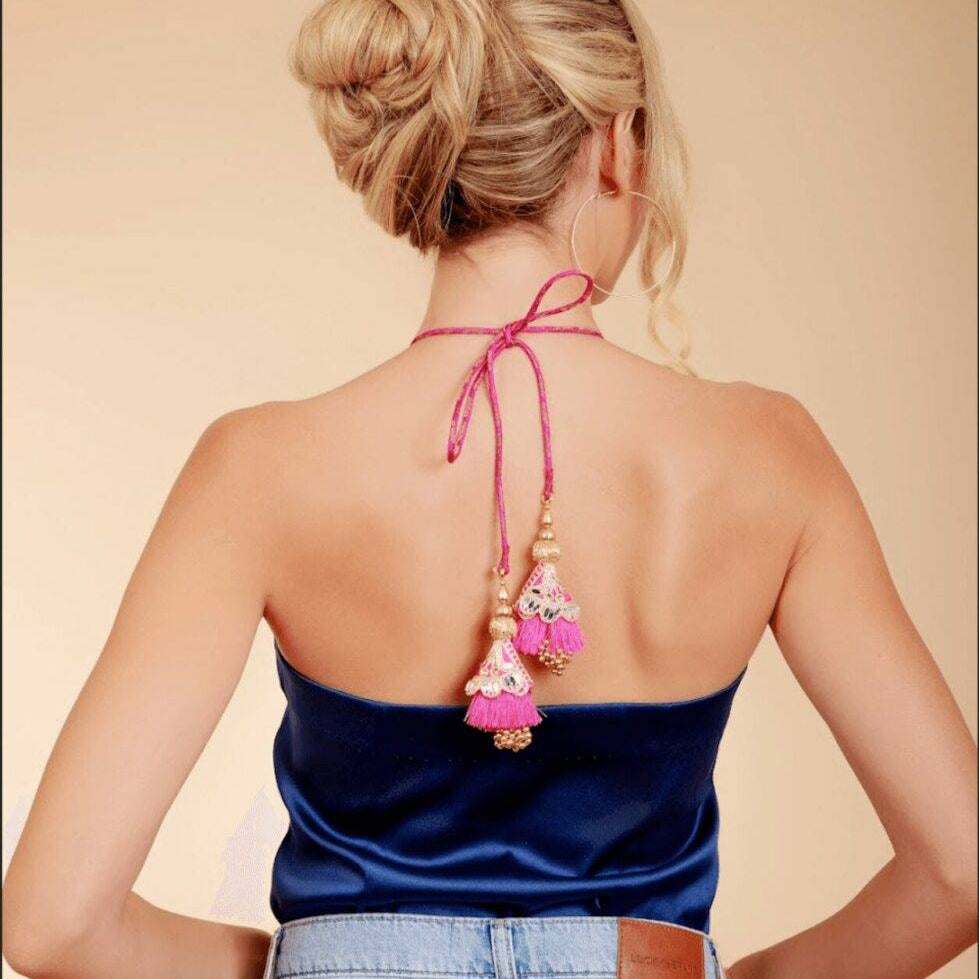
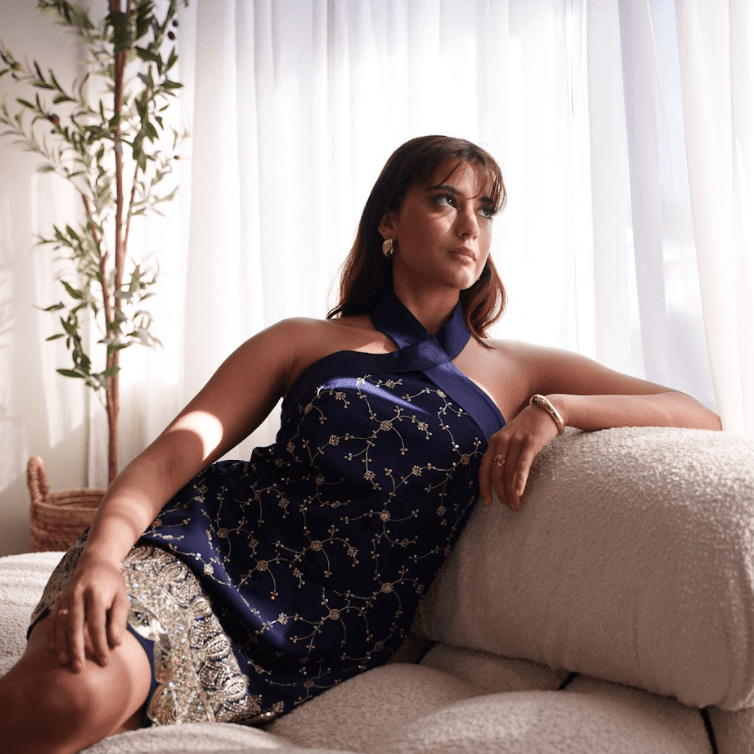
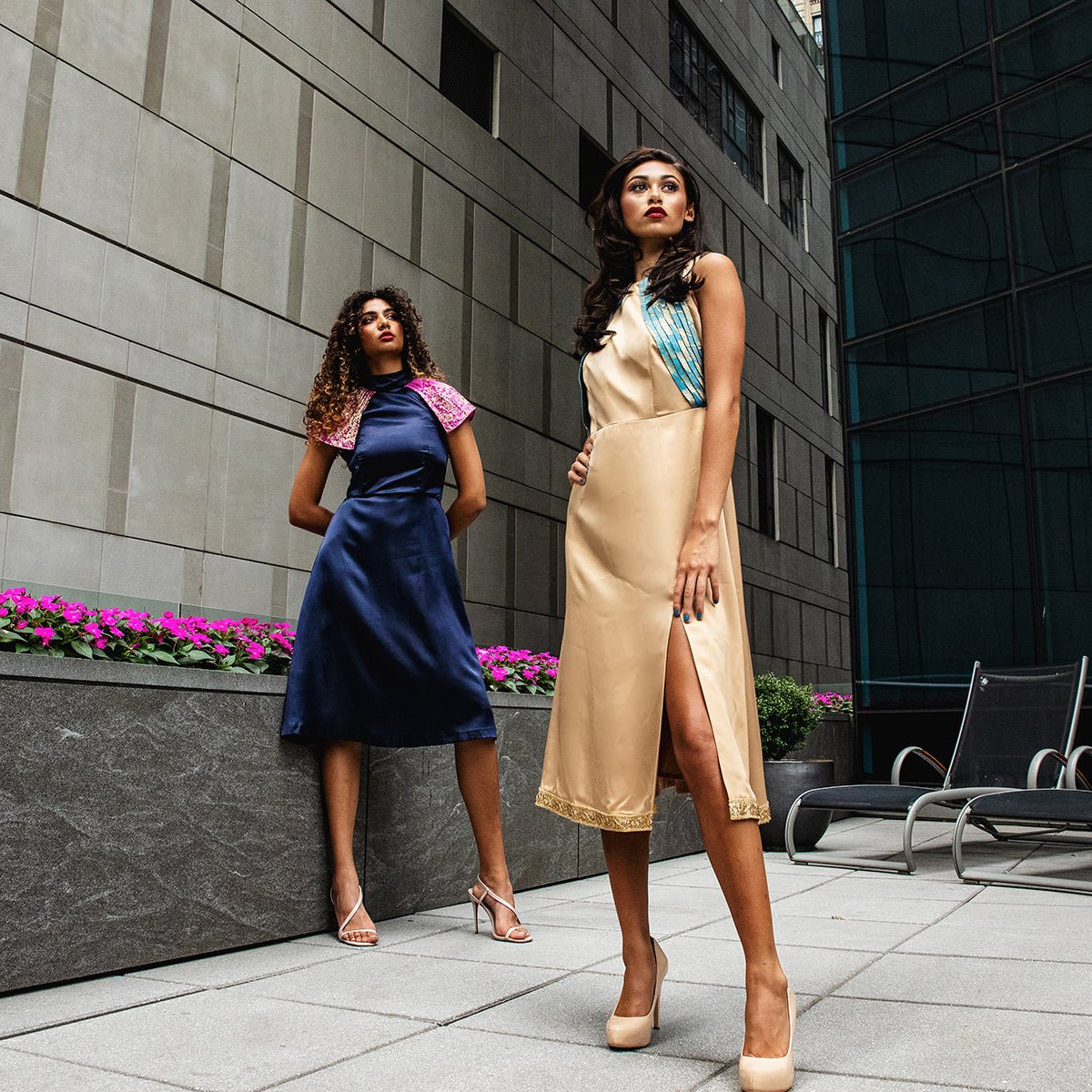
Today, brands like La' Agra honor these traditions, blending timeless florals with contemporary fashion. Techniques like zardosi embroidery and block printing continue to define elegance, while sustainable practices reflect a modern ethos.

A Blooming Legacy
Floral patterns in South Asia are more than decorative; they’re cultural symbols, woven into saris, lehengas, and kurtas. As global interest in ethical and rooted fashion grows, South Asian florals inspire tradition and innovation.
Which South Asian floral tradition inspires you most?