By: Rekha Ananthanpillai
Last Updated: 2/10/26 - 15 min Read
Key Takeaways:
-
Respecting traditional color taboos—such as avoiding white (mourning), black (inauspiciousness), and bridal reds—demonstrates cultural awareness and honors the couple's special moments.
-
Opt for festive jewel tones, pastels, and regionally appropriate hues that celebrate heritage while allowing personal style to shine through artisanal craftsmanship.
-
Consult hosts or provided dress codes for regional preferences, and choose versatile, thoughtfully crafted outfits that transition seamlessly across multiple wedding events.
Indian weddings burst with kaleidoscopic celebrations where guests become part of a living tapestry of hues and joy. While these vibrant festivities invite bold fashion choices, thoughtful etiquette guides which shades can unintentionally compete with the couple's special moments. Understanding what colors should an Indian wedding guest avoid becomes an act of respect, honoring traditions while celebrating alongside loved ones.
This guide decodes the significance behind traditional taboos and offers elegant alternatives for every wedding event. From funeral-associated black to bridal-centric reds, we'll explore why these boundaries exist and how to choose palettes that feel both authentic and appropriate. Whether you're attending a mehendi or reception, mindful selections paired with artisanal craftsmanship create looks that honor heritage while expressing your personal style, as detailed in our comprehensive wedding guest guide.
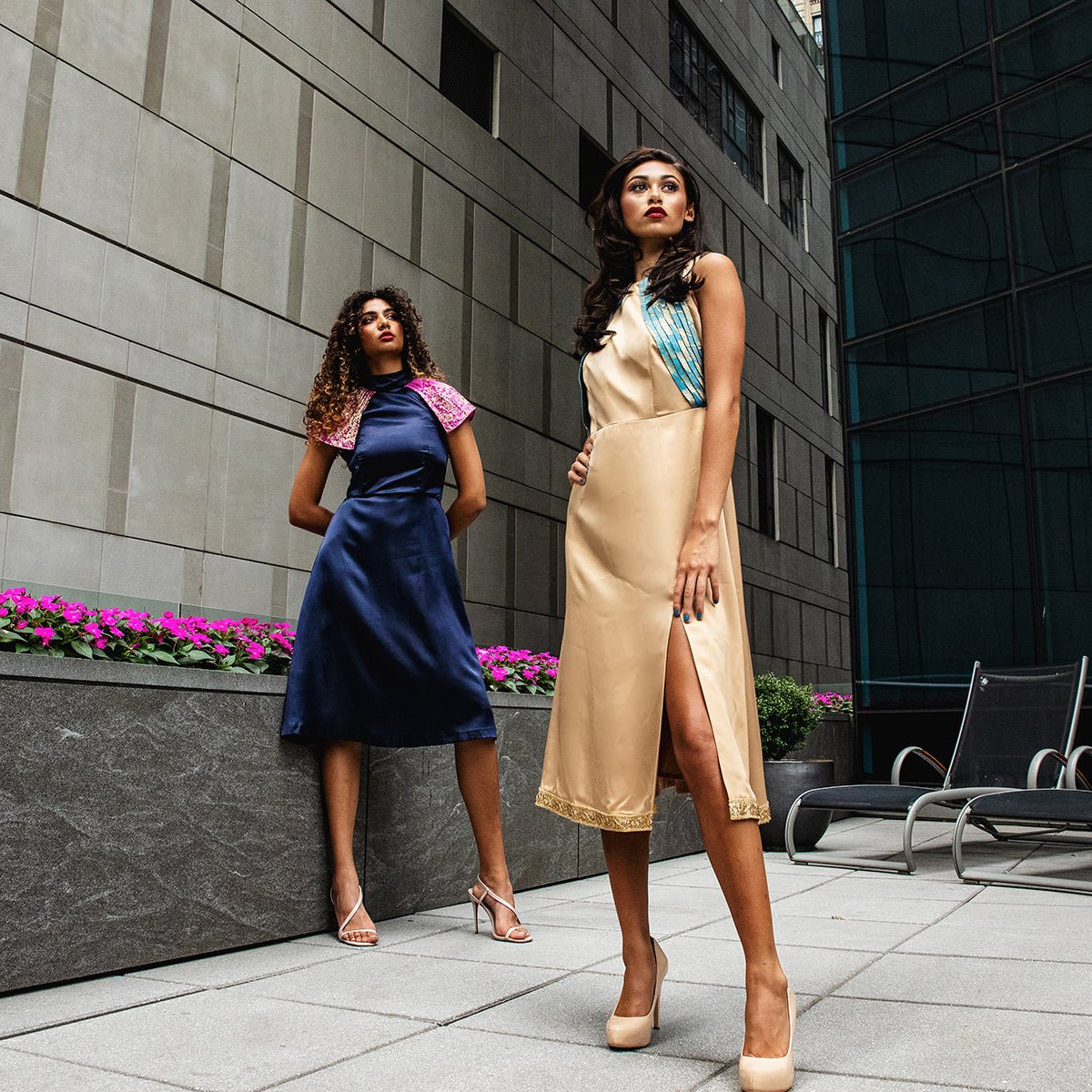
Explore how La' Agra transforms traditional wisdom into contemporary elegance with hand-embroidered dresses that respect heritage nuance.
Traditional Color Taboos For Indian Wedding Guests
Selecting the perfect outfit for an Indian wedding celebration involves more than choosing beautiful fabrics and flattering silhouettes—certain colors carry cultural weight that can unintentionally shift focus from the couple. Understanding what are the traditional color taboos for guests at an Indian wedding connects you to centuries of textile artistry and symbolic meaning. These guidelines represent cultural wisdom passed through generations, offering thoughtful ways to honor tradition while expressing personal style.
White: The Color of Mourning and Spiritual Practices
White holds complex meaning across Indian communities, often associated with mourning, funerals, or spiritual practices rather than celebration. Vogue's etiquette guide notes that "white is traditionally worn at funerals," making stark head-to-toe white feel somber at joyous occasions. Most communities prefer guests choose festive alternatives unless specifically guided otherwise. For elegant alternatives, explore our minimalist wedding guest styling tips that honor tradition through refined simplicity, featuring soft ivory, champagne, or cream with colorful embellishments.
Black: Navigating Auspicious Occasions
Black presents a nuanced consideration for Indian weddings, as it's often linked to inauspiciousness or funerary contexts in customary thinking. WeddingDetails explains that darker shades can be "associated with inauspiciousness" during celebratory moments. While not universally forbidden, hosts often appreciate when guests choose brighter, more festive tones. If you prefer darker palettes, consider deep jewel tones like sapphire or emerald, or explore our fusion gown styling guide for sophisticated ways to incorporate metallics and colorful accents.
Bridal Reds: Honoring the Bride's Moment
Deep, bridal-leaning reds, like maroon and sindoor red, traditionally belong to the bride in North Indian and many Hindu ceremonies. Our heritage styling guide suggests avoiding these intense bridal shades to prevent drawing attention away from the bride's special moment. Instead, explore adjacent tones like coral, berry, dusty rose, or pink that capture red's celebratory spirit without overshadowing. These softer alternatives photograph beautifully and feel both respectful and stylish.
When you choose colors that honor these time-honored practices, you're participating in a cultural conversation that values intentionality—the same mindfulness that guides artisan-crafted pieces designed to celebrate heritage with modern elegance.
Why To Avoid White, Black, And Bridal-Red Tones
Understanding why certain colors carry cultural weight helps you make thoughtful choices that honor tradition. These color guidelines stem from centuries of symbolic meaning woven into South Asian celebrations, each carrying specific cultural weight.
The question of why should Indian wedding guests avoid wearing white or black attire comes down to cultural associations that can unintentionally shift the mood of joyful occasions.
-
White signifies mourning in many Hindu and Jain traditions, making stark white outfits feel somber rather than celebratory at weddings
-
Black carries inauspicious connotations for religious ceremonies, though it works beautifully for evening receptions when paired with jewel-toned accessories
-
Sindoori reds belong to the bride in North Indian ceremonies, so guests wearing heavy red lehengas may visually compete with her special moment
-
South Indian traditions may have different color associations, so check with the family when in doubt about regional preferences
-
Modern alternatives abound like soft coral or rose tones instead of sindoori red, champagne instead of white, and navy instead of black
These guidelines aren't rigid rules, but thoughtful suggestions rooted in respect. As wedding planners note, avoiding these colors shows cultural awareness while opening doors to rich jewel tones and festive pastels that photograph beautifully in artisan-crafted dresses.
Choosing Respectful, Stylish Colors To Wear To An Indian Wedding
When guests wonder how they can choose respectful and stylish colors for an Indian wedding, the answer lies in embracing auspicious jewel tones that honor celebratory symbolism. Emerald green, sapphire blue, amethyst purple, and marigold yellow create stunning visual impact while aligning with traditional meanings of prosperity and joy. For daytime events, festive pastels like pistachio, peach, and coral offer a softer approach that photographs elegantly in natural lighting. These colors demonstrate cultural awareness while allowing your personal style to shine through artisan-crafted details.
Beyond choosing auspicious colors, timing matters when considering the natural progression of wedding events. Haldi ceremonies welcome turmeric and sunflower tones that complement the ritual's golden glow, while Mehndi celebrations embrace playful greens and teals. Sangeet nights call for saturated jewel tones that photograph elegantly under evening lighting, and the main wedding ceremony favors refined shades like dusty rose or champagne. Reception events welcome evening-elegant metallics and deeper hues that transition seamlessly from cocktail hour to dance floor.
The art of balance distinguishes thoughtful guests from those who inadvertently compete with the couple. If you choose a bold emerald or royal blue, pair it with refined embellishment rather than heavy ornamentation. Conversely, softer pastels gain sophistication through artisanal handwork like zardozi threadwork or delicate gota appliqué found in carefully crafted dresses. This thoughtful approach ensures you're polished and celebratory without overshadowing the couple.
Indian Wedding Guest Color Etiquette: FAQs
Understanding what different colors symbolize at Indian weddings helps you make respectful decisions while expressing your personal style with confidence. These meanings vary across regions and communities, creating a rich tapestry of heritage-based traditions.
What do red, gold, and other traditional colors symbolize at Indian weddings?
Red represents fertility, prosperity, and new beginnings, making it the classic bridal choice in many Hindu communities. Gold symbolizes purity and divine blessings. Green signifies renewal and holds special meaning in Muslim traditions. Yellow connects to turmeric rituals and knowledge, while blue carries divine associations with Krishna.
How do regional differences affect color choices for wedding guests?
Bengali weddings often embrace white and red combinations, while South Indian ceremonies may feature white and gold as festive colors. Gujarati celebrations favor vibrant bandhani patterns in multiple hues. Punjabi weddings typically lean toward rich saturated hues. Always ask your hosts about family preferences when uncertain about regional customs.
Can I wear pastels or lighter colors to Indian wedding ceremonies?
Pastels work beautifully for daytime events like mehndi or morning ceremonies. Choose colors with heritage resonance like blush pink, mint green, or soft peach rather than pure white. For evening celebrations, deeper jewel tones create more appropriate formality. Explore artisan-crafted dresses that honor both tradition and modern elegance.
What should I wear if the invitation says "traditional," "fusion," or "black tie"?
"Traditional" suggests heritage garments in classic colors like rich hues or festive pastels. "Fusion" allows mixing Indian and Western elements with more flexibility. "Black tie" typically calls for formal Indian wear like silk lehengas or elegant Western attire in celebratory colors, avoiding the stark blacks common in Western formal wear.
How do I coordinate with hosts about appropriate colors?
Check the couple's wedding website for style guides or color preferences. When in doubt, ask close family members about regional customs or specific meanings in their tradition. Most contemporary couples provide dress code guidance on invitations to help guests navigate traditional expectations with ease and confidence.
Conclusion — Dress With Intention: Honor Tradition, Express You
Choosing respectful indian wedding guest attire means embracing festive, auspicious colors while avoiding bridal reds, mourning whites, and blacks often considered inauspicious. The elegant approach combines wedding etiquette with personal style through refined craftsmanship, allowing you to celebrate with confidence.
Beyond color choices, your wardrobe should serve you beautifully across multiple festivities. Versatile silhouettes that transition seamlessly from mehendi to reception offer both comfort and adaptability. Each dress becomes a conversation starter that celebrates heritage without competing for the couple's spotlight.
Discover La' Agra dresses that blend traditional artistry with modern elegance for your next celebration.