By: Rekha Ananthanpillai
Last Updated: 2/8/26 - 15 min Read
Key Takeaways
- Small batch brands rarely restock because their production is guided by artisan capacity, finite heritage materials, and a commitment to design integrity, making frequent restocks impractical and contrary to their values.
- Intentional scarcity in ethical fashion preserves cultural narratives, supports fair labor practices, and ensures each piece is crafted with care and authenticity, rather than prioritizing mass-market demand.
- Consumers can align with small batch cycles by joining waitlists, embracing unique variations, and making intentional, meaningful purchases that support sustainable and artisanal fashion.
When you fall in love with a handcrafted piece, only to find it sold out weeks later, the question naturally arises: do small batch brands restock? The answer reveals a deeper truth about ethical fashion. Unlike mass retailers, small-batch luxury operates within the natural rhythms of artisan capacity and finite materials.
This reality stems from a commitment to preserving textile heritage and honoring the hands that craft each piece. From limited heritage fabrics to the sustainable approach that prioritizes quality over quantity, small-batch brands operate within constraints that make frequent restocking both impractical and contrary to their values.
Discover how this philosophy translates into beautiful, intentionally crafted pieces at La' Agra.
The Intentional Scarcity Behind Ethical Small Batches
Why do ethical small batch brands rarely restock their collections? The answer lies in three fundamental constraints that shape how conscious makers operate, each building upon the others to create natural boundaries around production.
Artisan Craftsmanship Sets the Rhythm
Skilled artisans work at a human pace that cannot be artificially accelerated. When craftspeople hand-embroider each motif or carefully construct French seams, production follows the natural rhythm of quality work. Small batch brands partner with local ateliers where fair wages and reasonable working conditions mean artisans craft pieces thoughtfully rather than quickly. Recent research reveals that slow fashion brands deliberately adopt smaller collection sizes to preserve both quality and ethical standards.
Finite Materials Compound These Limits
This human-scale approach intersects with material scarcity to further constrain restocking. Heritage fabrics and responsibly sourced textiles exist in limited quantities that cannot simply be reordered. Deadstock materials, often used by ethical brands to reduce waste, are finite resources by definition. When La' Agra sources luxury-grade textiles from artisan mills, each bolt represents a unique dye lot with characteristics that may never be replicated exactly.
Design Integrity Requires Unwavering Consistency
These material constraints ultimately serve design integrity, as preserving the original vision means avoiding substitutions that alter a garment's authentic character. Different dye lots shift color subtly, while substitute trims change the piece's feel entirely. As La' Agra's FAQ explains, brands like Palava produce as few as 10-20 pieces per size to maintain this consistency, accepting scarcity as the price of integrity rather than compromising design standards for volume.
Fabric Stewardship: Protecting Textiles Shapes Restock Decisions
Heritage textiles form the heart of ethical fashion, but their finite nature shapes every production decision. When brands work with handmade brocades and archival weaves, reverence for these materials guides every cut and stitch. Fashion conservators emphasize that over-cutting rare fabrics permanently depletes cultural resources and undermines future craftsmanship. This stewardship approach means brands like La' Agra, whose founder developed deep respect for the histories behind every fabric, produce only what can be finished with impeccable quality.
Dye-lot variation presents another creative challenge to restocking. Even when reordering from the same mill, small-lot dyeing creates efficiency challenges and color inconsistencies between batches. Temperature variations, water quality changes, and operator differences can shift color, drape, or sheen in ways that compromise the original design vision. Rather than risk producing mismatched pieces, that dilute brand integrity, thoughtful brands choose preservation over proliferation. This careful approach prevents overproduction and ensures every piece meets exacting standards while avoiding excess inventory destined for landfill.
La' Agra's Best Practices: Small-Batch Production With Purpose
La' Agra's small-batch approach prioritizes artisan welfare and textile integrity over mass market demands. Every production decision protects the cultural narratives woven into each piece while ensuring fair compensation for skilled craftspeople.
These intentional practices create space for authentic storytelling and preserve traditional techniques for future generations.
-
Production runs align with fabric availability and artisan capacity to maintain cultural narrative integrity
-
Designs develop around specific textile behaviors—no substitutions that compromise the original vision
-
Waitlists and pre-order cycles help customers plan purchases without encouraging overconsumption
-
Artisan partnerships guide collection timing rather than seasonal fashion calendars
-
Accessories receive occasional restocks only when responsibly sourced heritage textiles become available
This framework creates meaningful connections between maker, material, and wearer. Rather than chasing endless availability, La' Agra builds trust through transparency and purposeful scarcity that honors artisan dignity.
FAQ: Restocks, Waitlists, and Thoughtful Alternatives
Understanding how small batch brands approach restocking helps you make informed decisions about pieces you love. These answers address common concerns about availability, timing, and alternatives when working with artisan-made collections.
Do small batch brands restock, and under what circumstances might they consider it?
Most small batch brands restock selectively rather than automatically. La' Agra recommends ordering during pre-order cycles to guarantee items since they often sell out completely. Restocks typically happen when artisan fabric supplies become available again or when significant collector interest justifies another small production run, as what one brand calls "mass majority" demand.
How can shoppers find out about potential restocks or reimagined colorways?
Join waitlists and follow brand communications closely. La' Agra maintains a manual waitlist where customers email with their name, size, and desired style for restock notifications. Many sustainable brands use newsletters and social media to announce limited rereleases. Vogue reports that small brands often use direct customer contact and see-now-buy-now presentations.
Will a beloved silhouette return in a different fabric or dye lot, and how will it vary?
Expect variations when silhouettes return. Small batch production means color differences between dye lots are common, and textile sourcing changes seasonally. The same dress might return in a different fabric entirely, changing its drape, weight, or formality. Sustainable brands often work with deadstock materials, making exact replicas impossible but creating unique variations that preserve cultural narratives.
Are accessories restocked more frequently than apparel, and why?
Accessories may see more frequent restocks due to simpler construction and smaller material requirements. La' Agra's accessories are crafted from the same artisanal fabrics as their collections, but smaller pieces require less material investment. However, they still follow small batch principles, so restocks depend on artisan fabric supplies and the preservation of each piece's cultural story rather than demand alone.
Choosing With Intention: How to Collect What You Love
Limited edition releases for conscious shoppers naturally encourage a more thoughtful approach to fashion. Research shows that collecting behavior is often driven by nostalgia and meaning rather than impulse, while scarcity marketing can actually reduce hasty purchases when managed thoughtfully. This creates space for you to consider what truly resonates with your style and values.
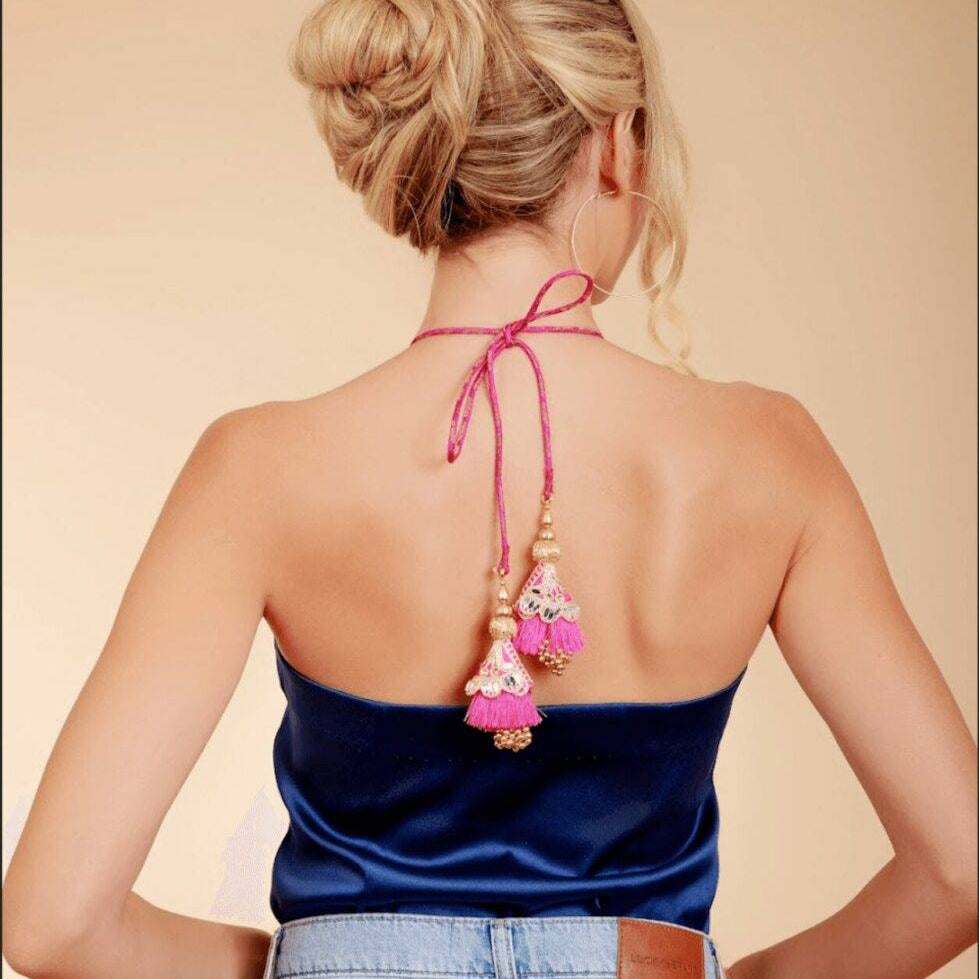
Beyond the philosophical benefits, the practical advantages extend to your shopping experience itself. By joining waitlists and notifications for pieces that speak to you, you align your purchasing with artisan production cycles rather than working against natural rhythms. La' Agra's approach to small-batch accessories demonstrates how limited runs can transform remnant fabrics into coveted pieces, making each acquisition feel intentional rather than routine.
Discover handcrafted pieces that elevate any outfit through La' Agra's curated accessories collection.