By: Rekha Ananthanpillai
Last Updated: 3/7/26 - 15 min Read
Key Takeaways:
-
Avoid wearing solid bridal red, stark white, and head-to-toe black at Indian weddings, as these colors carry specific cultural meanings and are generally reserved for the bride or associated with mourning.
-
Opt for jewel tones, softened reds, and festive neutrals with artisanal details to honor tradition while expressing your personal style and celebrating with grace.
-
Consider regional customs, ceremony type, and family preferences when selecting your outfit, and don't hesitate to ask the couple for guidance to ensure your color choice is both respectful and appropriate.
At Indian weddings, every color carries deep cultural meaning. A thoughtless shade choice can unintentionally compete with the bride's spotlight. According to wedding etiquette experts, selecting the right palette shows respect for traditions that have celebrated love for generations.
Learning what colors should an Indian wedding guest avoid becomes your path to celebrating with grace and confidence. Skip solid bridal reds, stark whites, and head-to-toe black while embracing jewel tones and thoughtful alternatives that honor both heritage and modern elegance. From ceremony-specific guidance to regional variations, you'll discover how mindful color choices let you celebrate beautifully without unintended moments. Explore artisan-crafted options that blend tradition with contemporary sophistication at La' Agra.
Colors To Avoid At An Indian Wedding (And Why They Matter)
Understanding which colors to avoid as a guest at an Indian wedding helps you celebrate with grace while honoring cultural significance. Three colors require particular care: bridal red, white, and black—each carrying cultural weight that can overshadow celebration. According to Vogue's etiquette guide, these hues can unintentionally clash with the joyful atmosphere or carry associations that feel inappropriate for the occasion. While these guidelines apply broadly, regional customs may vary.
Solid Bridal Red: Reserved for the Bride's Moment
Pure, saturated red customarily belongs to the bride on her wedding day. This vibrant shade symbolizes prosperity, fertility, and new beginnings in Hindu culture. To honor this tradition while staying festive, choose adjacent shades like coral, rose, or wine, that feel celebratory without crossing into bridal territory. La' Agra's wedding guest collection offers beautiful alternatives in these softer red tones, often enhanced with hand-embroidered details that add sophistication.
White and Ivory: Cultural Associations with Mourning
In many Indian traditions, white is associated with mourning and funeral rites, making it an inappropriate choice for celebrations. If you prefer cream or ivory, elevate these neutral tones with festive embroidery, metallic accents, or jewel-toned accessories. As detailed in our comprehensive wedding guest guide, the key is adding celebratory elements that transform a potentially somber palette into something appropriately joyful.
Head-to-Toe Black: Softening an Inauspicious Shade
While black can look elegant for evening events, wearing it from head to toe can appear inauspicious at cultural celebrations. The Knot's styling experts suggest incorporating colorful elements if you choose black. Add a vibrant dupatta, antique gold jewelry, or rich embroidery to create visual interest and show respect for the festive atmosphere.
Regional And Ceremony Nuance: Make A 6-Point Color Check
Indian weddings span diverse regions, traditions, and multi-day celebrations, which means color etiquette isn't universal. Understanding why it's important to choose respectful colors for an Indian wedding celebration goes beyond avoiding obvious taboos. A North Indian Punjabi bride might wear deep red lehengas, while a South Indian bride often chooses silk sarees in gold and temple colors. The ceremony itself matters too—what works for a vibrant haldi ceremony might feel too casual for an evening reception.
Before selecting your outfit, navigate these considerations to honor regional customs and ceremony-specific expectations with confidence:
-
Regional traditions: Confirm whether the bride leans toward traditional reds (common in North India) or gold and silk tones (popular in South Indian weddings) to avoid accidentally matching her palette
-
Ceremony type: Choose bright, joyful colors for daytime events like haldi and mehndi, while reserving jewel tones and metallics for evening ceremonies and receptions
-
Time of day: Opt for lighter, festive shades during morning and afternoon celebrations, then transition to richer, more formal colors for evening events
-
Family preferences: Consult with the couple or their families about any specific color requests or cultural customs unique to their background
-
Photography considerations: Remember that certain colors photograph beautifully under different lighting—deep emeralds and sapphires shine under evening lights, while coral and rose gold work well in natural daylight
-
Dress code specifications: Honor any dress code while staying within cultural color guidelines—if black-tie is requested, choose deep jewel tones or metallics rather than stark black
This thoughtful approach, combined with artisan-crafted fabrics and refined silhouettes, ensures your thoughtfully chosen wedding guest attire celebrates the couple while respecting the rich traditions that make each celebration unique.
Elegant Alternatives: Palettes That Honor Tradition And Feel Modern
Thoughtful color choices allow you to celebrate beautifully while honoring cultural traditions through refined substitutions. These elegant color alternatives for Indian wedding guests create stunning looks that respect the occasion and let your personal style shine.
|
Avoid |
Choose Instead |
Best For |
Styling Notes
|
|---|---|---|---|
|
Solid Bridal Red |
Coral, Rose Gold, Wine, Rust |
Daytime ceremonies, Mehndi celebrations |
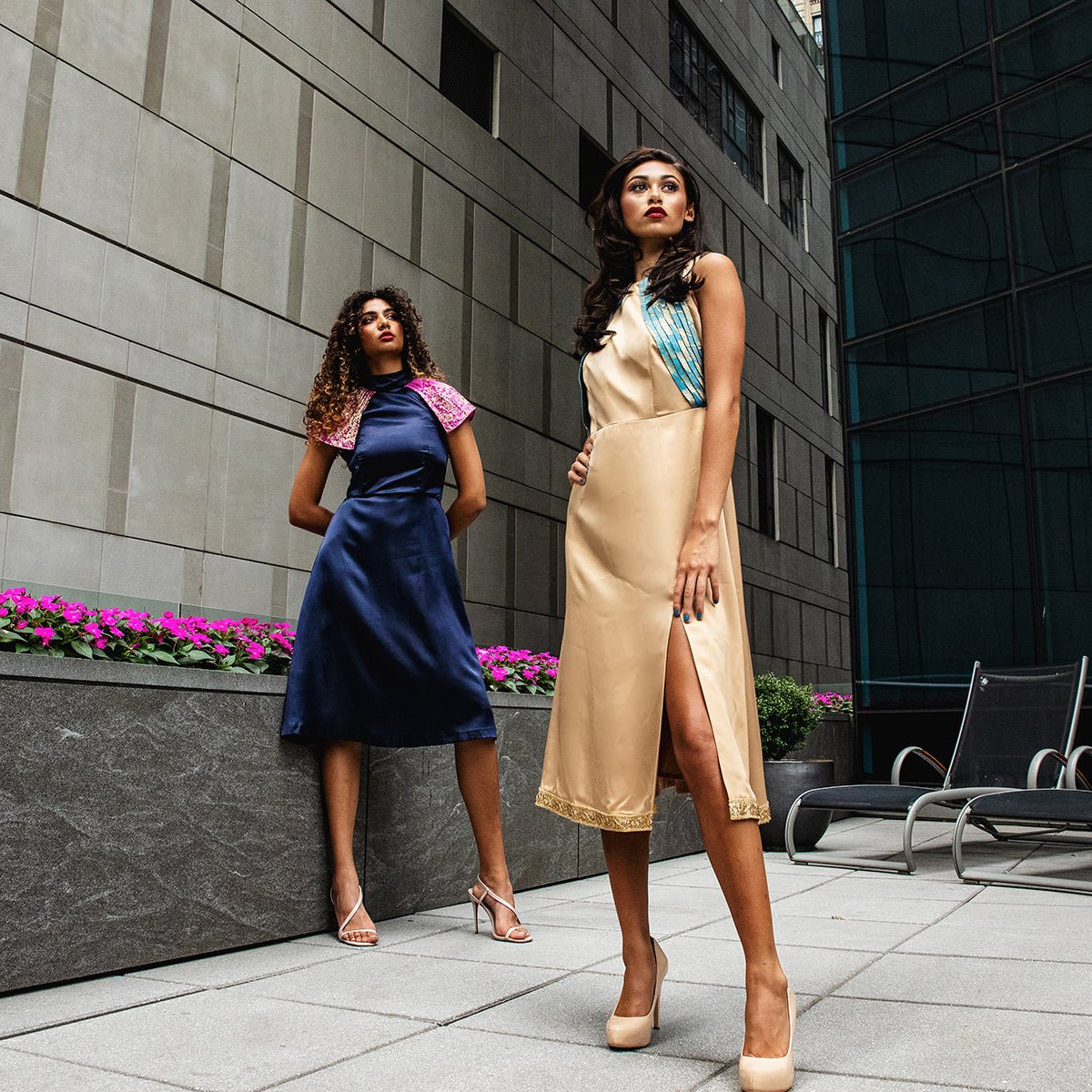
Pair with antique gold jewelry; choose pieces with hand-embroidered details like cape sleeves |
|
Stark White |
Champagne, Cream with Zari, Ivory with Metallics |
Evening receptions, Sangeet events |
Layer with colorful dupattas; select fabrics with artisanal texture and brocade work |
|
Head-to-toe Black |
Midnight Navy, Deep Emerald, Charcoal with Gold |
Formal receptions, Evening celebrations |
Add jewel-tone accessories; choose brocade details for festive presence |
|
Pure White Lehengas |
Blush Pink, Soft Lilac, Mint Green |
Pre-wedding functions, Casual gatherings |
Incorporate metallic threads; select pieces with traditional motifs and flowing silhouettes |

These refined substitutions maintain the celebratory spirit while respecting regional customs and the couple's moment to shine. Artisanal details like zari work, gota embroidery, and hand-crafted embellishments transform any palette into wedding-appropriate elegance that feels both timeless and contemporary in La' Agra's collection.
Indian Wedding Color Etiquette: Quick FAQ
Navigating color choices for Indian weddings can feel complex, especially when balancing respect for tradition with personal style. Here's your guide to the color questions that matter most, offering practical guidance for confident, culturally-aware choices that honor what are the traditional colors to avoid as a guest at an Indian wedding.
Is it ever okay to wear red as a wedding guest?
Yes, but avoid pure bridal red shades. Choose softened variations like rust, rose, or garnet instead. Steer clear of traditional bridal silhouettes like heavy lehengas in red. A red slip dress with modern cuts feels celebratory without competing with the bride's look.
Can I wear white or cream to an Indian wedding?
In many traditions, white carries associations with mourning, so choose thoughtfully. If selecting cream or ivory, elevate the look with festive metallics, rich embroidery, or bold jewelry. According to Vogue's etiquette guide, adding colorful accents transforms neutral tones into appropriate celebration wear.
What if the couple requests black-tie attire?
Honor the formal dress code with deep jewel tones or gold, bronze, or champagne metallics rather than solid black. If wearing black, incorporate festive accents like antique gold jewelry, colorful dupattas, or rich textures. Brides.com recommends balancing formal elegance with joyful elements for evening celebrations.
Are there colors that work for every type of Indian wedding ceremony?
Jewel tones like emerald, sapphire, and amethyst are universally flattering and appropriate across regions and ceremonies. These rich hues photograph beautifully and complement traditional décor without clashing with bridal colors. Consider artisan-crafted pieces that blend heritage motifs with contemporary silhouettes.
How do I know if my color choice is appropriate for the specific wedding?
Look for clues in the invitation design or ask about the ceremony's regional traditions. When in doubt, reach out to the couple or their families about preferred guest colors. Regional customs vary significantly, and some families may have specific requests that reflect their heritage and personal preferences.
Conclusion: Dress With Reverence—And Shine With Modern Ease
Choosing the right colors for an Indian wedding centers on celebrating without overshadowing. Skip bridal red, funeral white, and solid black in favor of jewel tones, gilded neutrals, and deeper reds like burgundy or wine that honor cultural traditions while expressing your personal style. These thoughtful choices ensure you shine with confidence throughout every moment.
The most elegant wedding guest looks pair these respectful color choices with exceptional craftsmanship. Artisan-crafted pieces from collections that offer elegant color alternatives blend heritage with contemporary sophistication through hand-embroidered details and luxurious fabrics. When you choose garments that showcase this level of artistry, you're celebrating both cultural reverence and timeless design in every ceremony.
Discover La' Agra dresses that honor tradition with timeless elegance and modern sophistication.