By: Rekha Ananthanpillai
Last Updated: 3/7/26 - 15 min Read
Key Takeaways:
-
Choosing the right fabric is essential for achieving both elegance and comfort in Indo Western dresses, with natural fibers like silk, cotton, linen, and heritage textiles offering superior drape, breathability, and timeless appeal.
-
Seasonal considerations and the intended occasion should guide fabric selection—lightweight cotton-silk blends and linen excel in summer, while velvet and heavier silks bring warmth and drama to winter and formal events.
-
Blending traditional South Asian craftsmanship with modern silhouettes and sustainable practices results in versatile, conversation-starting pieces that honor heritage and fit beautifully into contemporary life.
The difference between a dress that moves with grace and one that restricts your movement often comes down to a single choice: fabric. When you run your fingers across silk that catches light like water, or feel cotton that breathes with your skin, you're experiencing the quiet luxury that shapes how an Indo Western dress looks, feels, and moves with you.
This understanding becomes particularly important when considering what fabrics work best for Indo Western dresses, as each natural fiber brings distinct qualities of drape, breathability, and comfort to contemporary silhouettes. From heritage textiles that honor artisanal craftsmanship to modern blends that adapt to your lifestyle, the right fabric choice elevates both the garment's performance and your confidence wearing it. Discover how La' Agra transforms these time-honored materials into dresses that seamlessly blend tradition with modern elegance.
Core Fabrics for Indo Western Dresses: Silk, Chiffon, Georgette, Crepe, Cotton, Linen, and Velvet
The best fabrics for indo western dresses balance heritage craftsmanship with modern comfort. Each textile brings distinct qualities to contemporary silhouettes, from the refined drape of silk to the airy ease of cotton blends. From silk's timeless elegance to cotton's versatile comfort, each fabric serves distinct occasions and silhouettes. Understanding how these materials move, feel, and age helps you choose pieces that feel as graceful as they look.
Silk and Crepe: Refined Drape for Formal Elegance
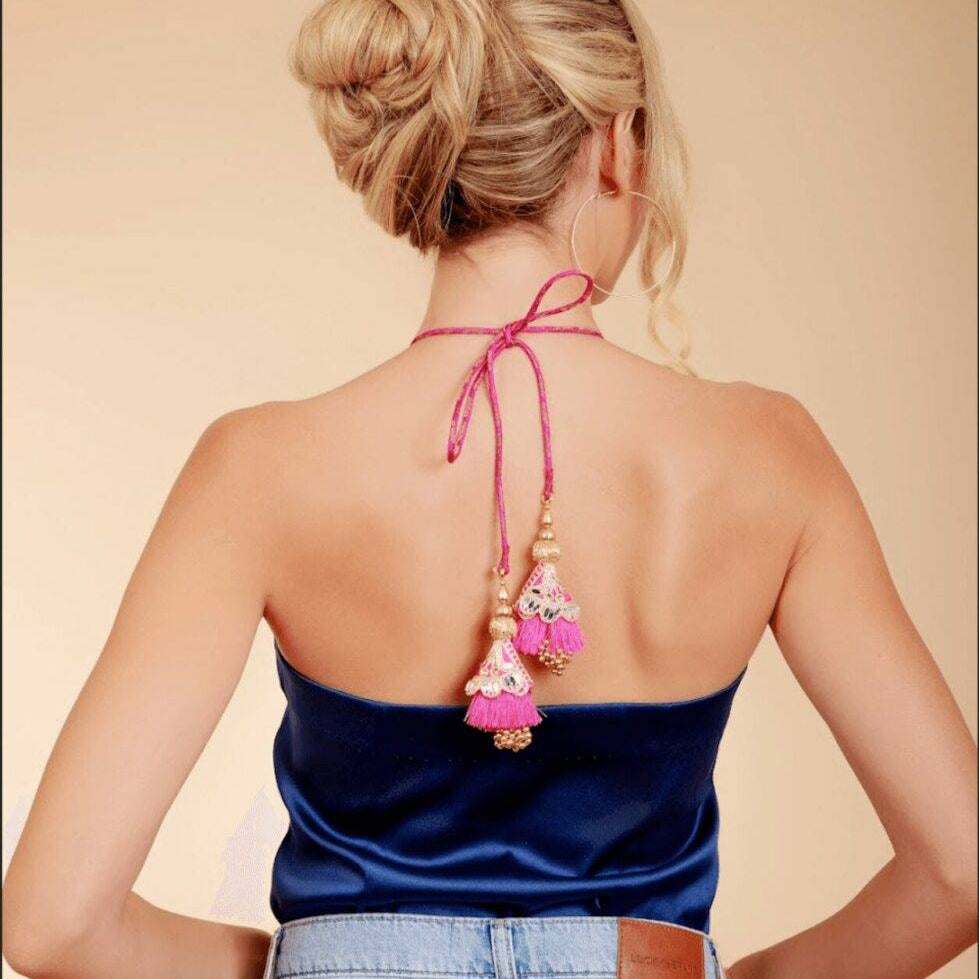
Pure silk, raw silk, and Tussar silk with its distinctive texture and seasonal versatility create the foundation for elevated Indo Western dresses. Tussar's slightly coarse hand and natural sheen bring textural interest to structured silhouettes while remaining comfortable across seasons. Crepe de chine offers fluid movement with a matte finish that catches evening light with subtle elegance. These fabrics hold their shape in tailored cuts while providing the graceful drape that makes formal dresses feel effortless.
Chiffon and Georgette: Fluid Movement in Contemporary Cuts
Chiffon and georgette transform modern silhouettes with their weightless quality and natural flow. Georgette's slightly crinkled texture adds visual depth to minimalist designs, while chiffon creates ethereal layers without bulk. Both fabrics work elegantly in bias cuts, wrap styles, and asymmetrical hems where movement becomes part of the design. Their delicate transparency allows for creative layering and subtle glimpses of skin that feel contemporary yet refined.
Cotton and Linen: Airy Polish for Day-to-Night Wear
Cotton and linen blends deliver the comfort needed for long days while maintaining the polish required for evening events. These natural fibers allow air circulation, making them ideal for warm climates and transitional seasons. Look for cotton-silk blends that combine comfort with subtle luster, or fine linen weaves that resist wrinkles while offering relaxed sophistication. These fabrics age gracefully, developing character with wear.
Velvet and Silk-Velvet: Plush Depth for Evening Drama
Velvet brings luxurious texture and rich color depth to evening Indo Western dresses. Silk velvet offers the most refined hand, catching light elegantly while maintaining fluid drape. Cotton velvet provides more structure for fitted silhouettes, while velvet blends balance comfort with visual impact. These fabrics excel in cooler months, as their dense pile provides natural warmth, and at formal occasions where texture becomes a statement element alongside artisanal embellishments.
Matching Fabric Weight to Silhouette
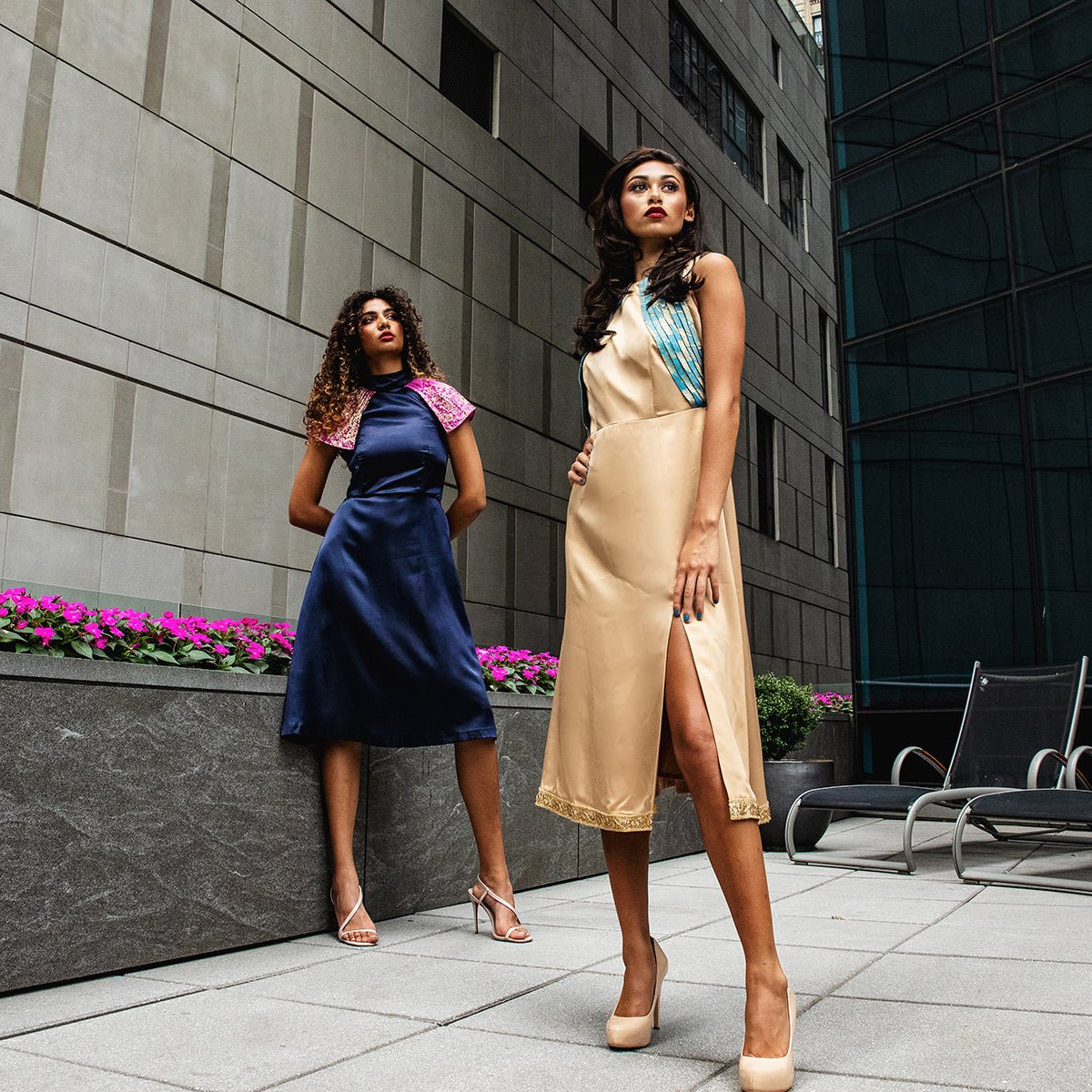
The relationship between fabric weight and dress silhouette determines how a garment moves and fits. Bias-cut midis and wrap dresses need fluid fabrics like chiffon or lightweight crepe that follow the body's curves. Structured A-lines and jacket-dress combinations require slightly weightier materials like cotton-silk blends or substantial georgette for proper shape retention. Understanding fabric behavior helps you choose pieces that feel intentionally designed rather than accidentally appealing.
Seasonal Comfort: Fabrics for Summer, Monsoon, and Winter
Climate shapes how fabric feels against your skin and moves with your body throughout the day. The right seasonal choice transforms an Indo Western dress from merely beautiful to genuinely comfortable.
Which fabrics are most comfortable for Indo Western dresses in different seasons? Here's how to choose fabrics that work with each season's unique demands:
-
Summer calls for cotton-silk blends and fine linen that maintain structure while allowing air circulation and moisture evaporation
-
Chiffon overlays add graceful movement to silhouettes without trapping heat against the body during warm weather
-
Monsoon weather favors matte georgette and crepe that resist clinging through reduced static and faster moisture evaporation
-
Avoid heavy linings during humid months and choose airy, anti-static slips that won't create bulk or discomfort
-
Winter embraces silk-velvet and heavier crepe that layer beautifully with shawls while lined raw silk provides warmth without stiffness
Natural fabrics excel at moisture management and temperature regulation, making them ideal for year-round wear across both professional settings and cultural celebrations. Understanding these seasonal nuances helps you choose pieces that feel as refined as they look, whether you're navigating summer boardroom meetings or winter festivities. Proper care and maintenance becomes part of preserving these seasonal benefits.
Heritage Textiles in Modern Silhouettes
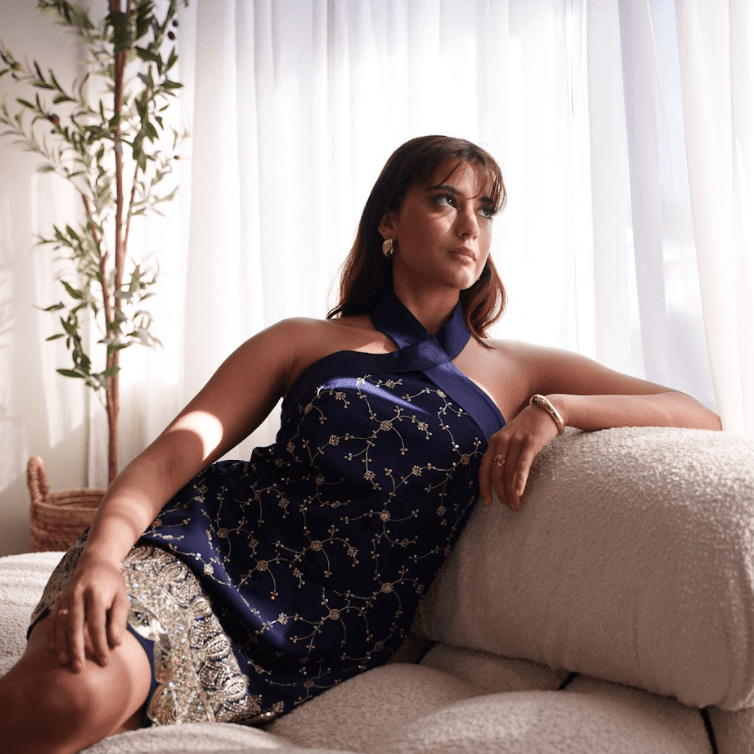
Traditional Indian textiles transform contemporary Indo Western dresses by bringing depth and story to clean, modern lines. Banarasi silks work beautifully when thoughtfully adapted for minimalist sheath dresses. Their signature zari motifs shine when placed along yokes or hemlines rather than covering entire surfaces. Chanderi fabric, with its lightweight, sheer quality and gentle sheen, creates ethereal overlays on structured silhouettes, while Ajrakh's geometric precision adds graphic interest to bias-cut midis without competing with the garment's flow.
Beyond these refined weaves, handloom textures like Khadi and Ikat bring tactile richness that elevates even the simplest cuts into meaningful pieces. These artisanal textiles shine in asymmetric designs where their irregular, handcrafted character complements unexpected hemlines or wrap fronts. The magic lies in balance—allowing gentle zari borders, intricate kantha stitching, or hand-embroidered details to accent rather than overwhelm the silhouette, creating pieces that honor heritage while working perfectly with modern style.
Fabric FAQs for Indo Western Dresses
When you're seeking pieces that honor your heritage while fitting seamlessly into contemporary life, fabric choice becomes the foundation of that balance. These answers address the questions we hear most often about creating a thoughtful Indo Western wardrobe.
What sustainable fabrics are best for creating elegant Indo Western outfits?
Organic cotton, peace silk, and OEKO-TEX certified fabrics offer elegance without environmental compromise. Handloom textiles like Chanderi and Khadi support artisan communities while delivering refined drape. Natural fiber blends with responsible sourcing create pieces that feel luxurious and align with conscious values.
How do you choose the right fabric for an Indo Western dress for special occasions?
Consider the event's formality and season first. Silk crepe and georgette elevate evening celebrations with fluid movement. Raw silk and brocade bring gravitas to formal gatherings. For daytime events, cotton-silk blends offer polished comfort. Our materials guide explores how different weaves enhance specific silhouettes.
Do fabric blends compromise quality or enhance comfort and durability?
Thoughtful blends often enhance performance while maintaining beauty. Cotton-silk combinations offer breathability with refined drape. Linen-modal blends reduce wrinkles while preserving natural texture. The key lies in choosing blends that complement each fiber's strengths rather than masking them.
How do heritage textiles translate into contemporary Indo Western styles?
Traditional weaves like Ikat and Ajrakh work beautifully in minimalist cuts, letting the textile's character shine. Artisan techniques like hand-embroidery and natural dyeing add depth to modern silhouettes. The contrast between ancient craft and contemporary design creates conversation-worthy pieces.
What fabric care considerations matter most for Indo Western dresses?
Natural fibers often require gentler care but reward you with longevity and softer, more supple texture over time. Silk and cotton blends typically handle home washing well using cool water and gentle detergents. Heavily embellished or delicate weaves benefit from professional cleaning to preserve both fabric integrity and artisanal details. Our dresses are crafted to last when cared for thoughtfully.
Choose with Intention: Fabrics That Honor Heritage and Live Beautifully
The right fabric transforms an Indo Western dress from ordinary to extraordinary. Natural fibers like silk, cotton, and linen offer the drape and breathability that contemporary cuts require, while artisan weaves bring cultural depth to modern silhouettes. Research shows, consumers increasingly prefer natural materials for their perceived sustainability and quality.
Beyond technical qualities, choosing sustainable fabrics for indo western outfits means investing in pieces that age gracefully across seasons and occasions. Thoughtful blends of heritage textiles with modern construction create dresses that honor tradition while fitting seamlessly into today's versatile wardrobes. When our materials matter as much as design, every piece becomes a meaningful expression.
Discover artisan-crafted pieces that blend heritage textiles with contemporary elegance at La' Agra.