By: Rekha Ananthanpillai
Last Updated: 1/13/26 - 15 min Read
Key Takeaways:
-
Indo Western dresses seamlessly blend traditional South Asian craftsmanship with modern Western silhouettes, creating versatile and timeless pieces that honor both heritage and contemporary style.
-
The evolution of Indo Western fashion reflects a thoughtful cultural exchange, resulting in garments that prioritize comfort, versatility, and intentional design—making them suitable for both special occasions and everyday wear.
-
La' Agra’s approach to Indo Western dresses emphasizes ethical production, artisanal excellence, and the use of heritage textiles, empowering women to express individuality while supporting sustainable, handcrafted fashion.
What Is an Indo Western Dress? Understanding the Blend of Tradition and Modernity
An Indo Western dress seamlessly merges South Asian textile artistry with modern silhouettes for versatile, refined occasionwear.
When a hand-embroidered motif traces the neckline of a tailored sheath dress, two distinct design traditions converge. This intersection defines what is an Indo Western dress—the thoughtful fusion of Western and South Asian fashion that honors both heritage craftsmanship and current lifestyle needs. These pieces transform centuries-old textile techniques into wearable art for today's woman.
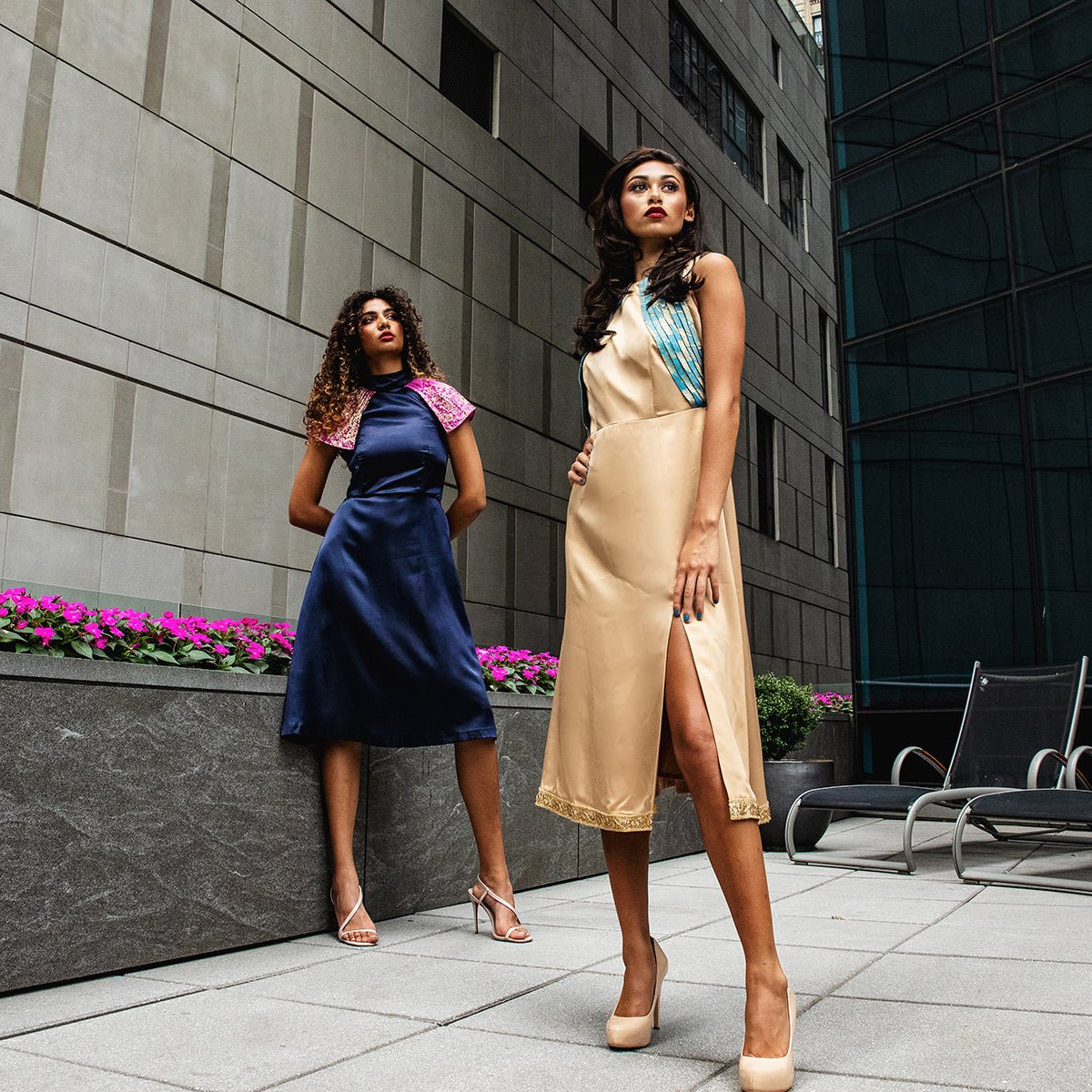
The artistry lies in intentional balance. A bias-cut dress might feature tonal zardozi at the shoulder, while a wrap silhouette showcases jamdani inset panels—each detail carefully placed to enhance rather than overwhelm clean, modern cuts. Today's designers are creating silhouettes that respect tradition while remaining effortlessly wearable for modern life.
Artisan-crafted pieces demonstrate how heritage motifs can elevate rather than compete with refined tailoring. These garments bridge cultures through thoughtful design.
The Evolution of Indo Western Fashion: From Cultural Dialogue to Everyday Elegance
Indo Western dress history reflects a meaningful evolution of cultural conversation rather than simple borrowing. What began as colonial-era exchanges has evolved into a sophisticated design language that honors heritage while embracing contemporary life.
Cultural Exchange Sparked the Movement
The roots of Indo Western fashion trace back to colonial encounters when British and Indian styles first began to intertwine. But the defining transformation emerged through diaspora experiences and global runway recognition. Economic liberalization in 1991 opened new markets, while Indian designers like Rahul Mishra became the first to showcase at Paris Haute Couture Week in 2020. This wasn't just about Indian motifs inspiring Western designers—it was reciprocal exchange where Indian craftsmanship gained global recognition while Western tailoring techniques refined heritage silhouettes.
As Cultural Dialogue Deepened, Silhouettes Evolved Through Practical Innovation
Heritage forms like the sari and kurta provided the foundation, but practical needs drove transformation. The salwar kameez succeeded as an early hybrid because it resembled shirt-and-trouser proportions while maintaining ethnic identity. Contemporary pieces evolved into tailored gowns with hand-embroidered details, wrap dresses featuring jamdani panels, and structured sheaths accented with time-honored surface work. These weren't costume pieces: they were thoughtfully engineered garments that moved with modern life while preserving artisanal techniques.
Modern Pieces Prioritize Timeless Versatility
Today's Indo Western dresses favor longevity over trends. Contemporary designs embrace seasonless color palettes—deep clays, muted saffron, chalky blues—instead of bright reds and golds. Silhouettes feature asymmetrical hemlines, structured drapes, and sheer layering that transitions seamlessly from ceremonial events to city life. The focus has shifted from maximalist embellishment to refined details placed strategically along necklines or cuffs, creating pieces designed for years rather than seasons. This evolution created the sophisticated fusion aesthetic that defines Indo Western dress today.
How Textiles and Silhouettes Blend: The Design DNA of Indo Western Dresses
The magic begins with the fabric itself. Handloom silks, jamdani, chanderi, and airy cotton-silks become the storytellers that guide every design decision. These heritage weaves carry centuries of character—the subtle shimmer of chanderi, the geometric poetry of jamdani, the breathable luxury of handwoven cotton. When paired with clean, tailored cuts, they create garments that feel both rooted and effortlessly contemporary. This approach demonstrates how an Indo Western dress blends traditional Indian textiles with modern fashion: the resurgence of traditional textiles in contemporary design reflects this thoughtful marriage of substance and silhouette.
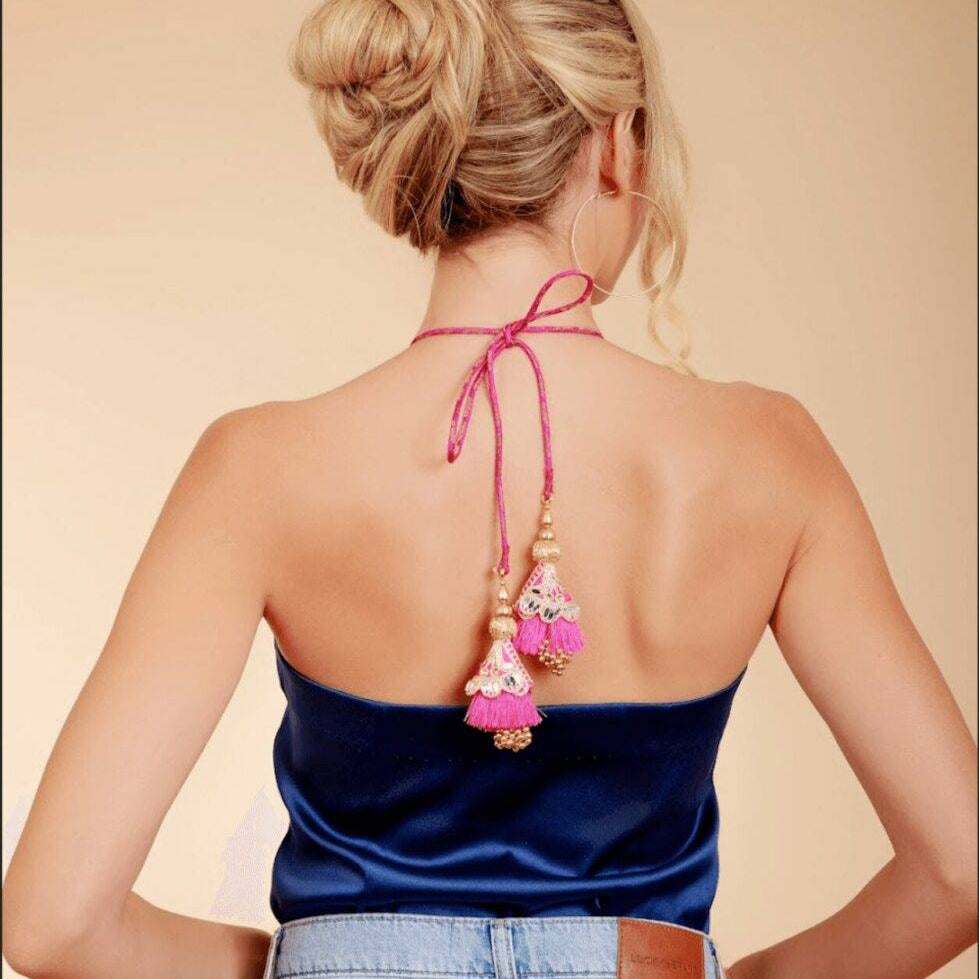
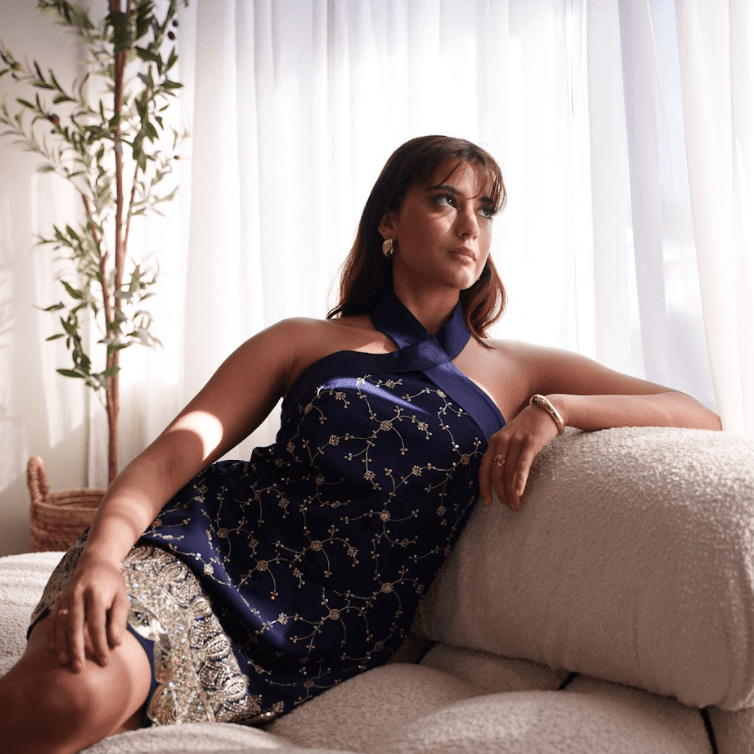
Once the textile foundation is set, surface artistry appears as whispered accents rather than bold proclamations. Zardozi, aari, mukaish, and hand-beading find their home along necklines, cuffs, or asymmetric panels—precise placements that sculpt the body without overwhelming it. This restraint preserves the garment's movement and ensures the wearer remains the focal point. A bias-cut dress from the Opulence Collection features tonal zardozi tracing the shoulder line, while a wrap silhouette showcases jamdani inset panels that catch light as you move. Consider a sleek sheath elevated by sheer chanderi godets—each detail purposeful, each placement intentional, creating pieces that honor traditional craftsmanship while embracing contemporary ease.
What Makes La' Agra's Indo Western Dresses Unique: Craftsmanship, Comfort, and Considered Design
What makes La' Agra's Indo Western dresses unique lies in three foundational principles that seamlessly blend heritage craftsmanship with contemporary wearability.
These principles work in harmony to create artisanal dresses that feel both precious and practical for today's discerning women.
-
Motif placement sculpts the silhouette — hand-embroidered zardozi work traces collarbones while beaded cuffs balance flowing skirts
-
Breathable linings ensure day-long ease — cotton batiste and thoughtful seam placement make artisanal pieces viable from professional settings to evening occasions
-
Heirloom motifs scale to present-day proportions — traditional Indian peacock patterns and florals adapt gracefully to contemporary cuts
-
Small-batch production respects artisans — handmade brocades from India meet premium fabrics in thoughtful quantities
-
Restrained palettes create timeless appeal — intentional fabric choices prioritize longevity over fleeting trends
This thoughtful approach transforms traditional Indian embroidery into wearable art rooted in heritage yet perfectly suited for today's wardrobes. These design principles naturally raise questions about styling, occasions, and specific examples.
Indo Western Dress FAQs
Here are thoughtful answers to the most common Indo Western dress FAQs we hear about incorporating these versatile pieces into modern wardrobes.
Q: How do Indo Western dresses empower women to express their individuality?
A: Indo Western dresses offer a unique canvas for personal storytelling. They allow you to honor your cultural roots while embracing contemporary aesthetics that reflect your modern lifestyle. Each piece becomes a conversation starter that celebrates both heritage and modernity, empowering you to move confidently between different worlds.
Q: What occasions work best for Indo Western dresses, and how do you style them for work-to-wedding transitions?
A: Indo Western dresses offer remarkable versatility—perfect for cultural celebrations, professional events, and social gatherings. For seamless transitions, choose pieces with clean silhouettes and subtle embellishment. Add statement jewelry and swap flats for heels to elevate the look from office-appropriate to celebration-ready.
Q: How does La' Agra's artisanal process create unique Indo Western pieces?
A: Each dress represents this fusion beautifully through intentional hand-embroidery placement and thoughtful construction techniques. Artisans apply traditional motifs like zardozi and aari work to contemporary silhouettes, creating pieces where every detail serves both aesthetic and structural purposes. This careful balance ensures comfort while honoring centuries-old craftsmanship traditions.
Q: What fabric choices work best for Indo Western dresses?
A: Breathable natural fabrics like handloom silks, chanderi, and cotton-silk blends provide the perfect foundation for Indo Western designs. These textiles drape beautifully while allowing artisans to showcase surface work effectively. Lightweight options like chiffon and organza work wonderfully for layered looks, while structured silks create elegant evening silhouettes.
Q: What makes Indo Western dresses different from traditional Indian wear?
A: Indo Western dresses prioritize comfort and movement while maintaining cultural authenticity through surface artistry and textile choices. Unlike traditional garments with specific draping requirements, these pieces offer the ease of Western silhouettes enhanced by Indian craftsmanship. They bridge worlds without compromising on either tradition or contemporary wearability.
Embrace Modern Heritage With Intention
Indo Western dresses represent a conscious choice to honor artisanal traditions while embracing contemporary life. The best pieces feel effortless to wear, moving seamlessly from professional settings to cultural celebrations. When you choose garments that blend heritage textiles with modern silhouettes, you're supporting the skilled hands behind each stitch.
Your clothing choices become a celebration of cultural heritage that tells stories beyond a single season. La' Agra Indo Western dresses exemplify this philosophy, combining traditional Indian motifs with contemporary cuts that honor both artisanal craft and modern versatility. Rather than chasing fleeting trends, invest in pieces that reflect your values and celebrate meaningful expression.
Discover dresses that blend South Asian heritage with modern elegance—each piece crafted by hand to become part of your story.