By: Rekha Ananthanpillai
Last Updated: 2/13/26 - 10 min Read
Key Takeaways:
-
Small batch fashion supports artisan livelihoods, preserves traditional craftsmanship, and empowers makers to innovate while maintaining cultural heritage.
-
Choosing small batch over fast fashion results in superior quality, longevity, and garments with unique stories—transforming your wardrobe into a collection of meaningful, conversation-starting pieces.
-
Small batch production significantly reduces environmental impact by minimizing waste, using mindful materials, and prioritizing intentional design over mass production.
Recent research reveals that sustainable values correlate with preferring experiences over material accumulation—a principle your wardrobe can embody. Understanding why choose small batch over fast fashion begins with recognizing each piece as a bridge between heritage and modernity, crafted by skilled hands rather than industrial processes.
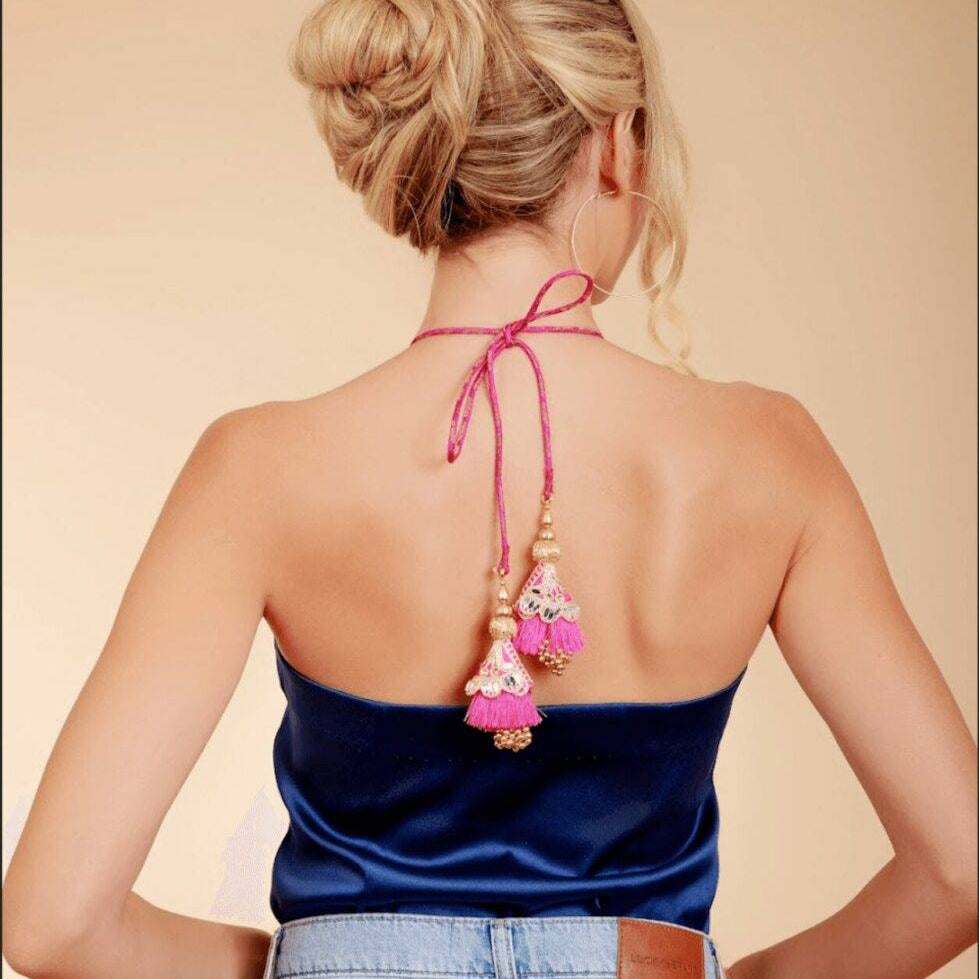
Small-batch fashion prioritizes human artistry, responsible materials, and enduring design over volume and speed. Unlike mass production that strips away the human touch, small batch celebrates cultural heritage and artisan stories. Every hand-embroidered detail carries the maker's legacy and personal expression.
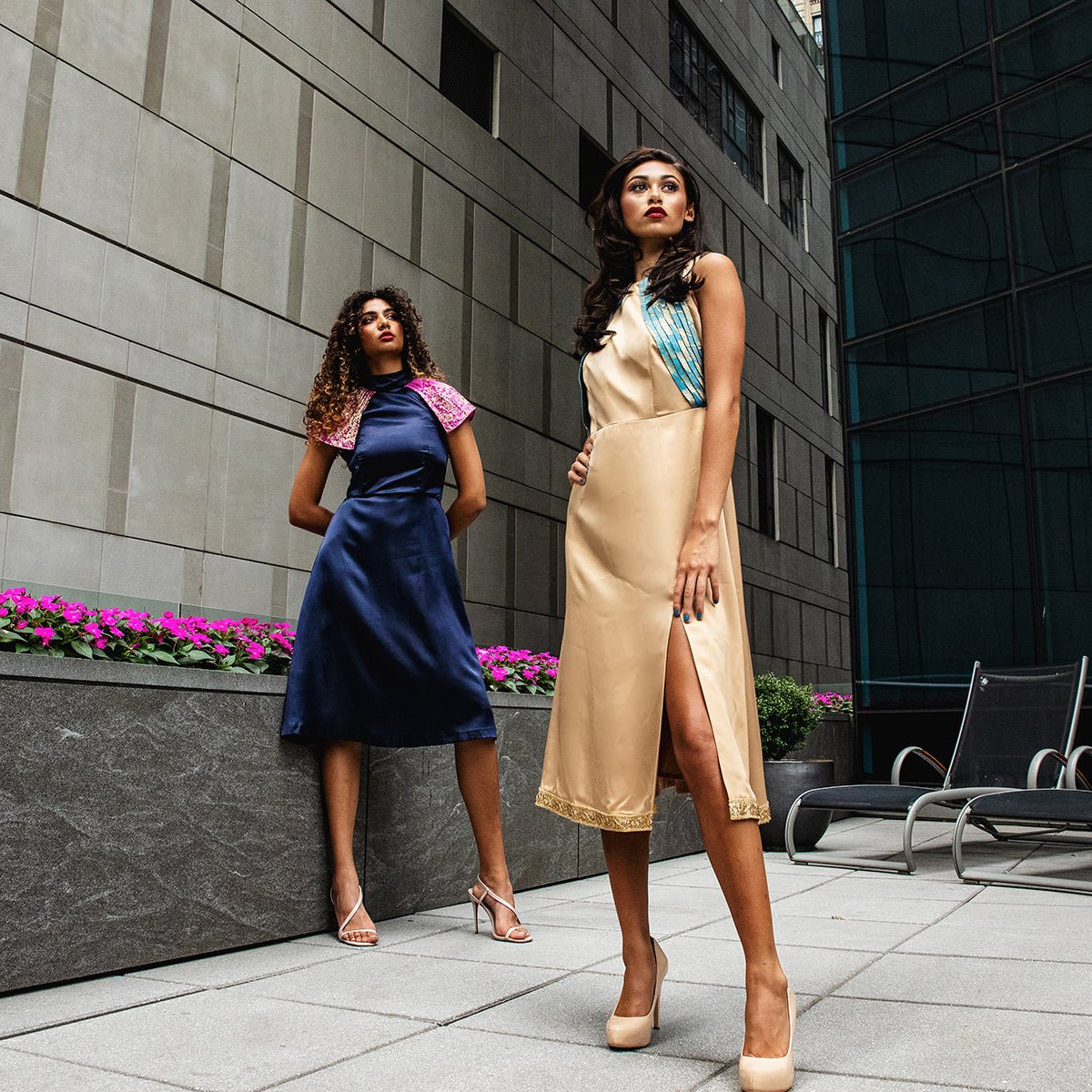
Discover how La' Agra creates artisan-crafted dresses that honor South Asian heritage while fitting seamlessly into contemporary life.
The Case for Small Batch: Sustainability, Quality, and Cultural Storytelling
When you choose small batch over fast fashion, you're making a decision that transforms relationships between artisans, consumers, and the environment. Understanding how small batch fashion empowers both makers and wearers reveals a fundamental shift from quantity to intention, from speed to craft, from disposability to legacy.
Empowering Makers Through Dignified Craft
Small batch production creates space for artisans to work at a human pace, preserving techniques that would otherwise disappear beneath the demands of mass production. As La' Agra's story explains, "Mass production has stripped away the human touch. We've lost the connection to the hands that make our clothes." Limited runs allow skilled craftspeople to focus on quality over quantity, ensuring traditional techniques like zardozi embroidery and handloom weaving receive the time and attention they deserve. Research from the Journal of Cleaner Production confirms that slow fashion brands prioritizing craftsmanship create sustainable business models that support artisan livelihoods while preserving cultural heritage.
Elevating Wearers Through Superior Quality
This commitment to artisan welfare translates directly into benefits for wearers through better fabrics, refined fit, and artisan-finished details that give you confidence whether you're in boardrooms, at weddings, or intimate gatherings. Manufacturing experts note that smaller production runs allow brands to iterate on fit and construction, turning each release into a learning process rather than a single high-stakes decision. Natural fibers, breathable linings, and reinforced seams create garments that improve with age rather than deteriorate after a few washes. This attention to detail means each piece drapes beautifully and moves with natural grace.
Building Legacy Through Narrative Value
Small batch pieces hold stories that fast fashion simply cannot replicate. These garments are designed to be reworn, restyled, and remembered rather than discarded after a season. Intentional scarcity means each piece remains distinctive, inviting conversations about its origin and craftsmanship. When you wear a hand-embroidered dress with unique dye lot variations and subtle irregularities, you're witnessing human artistry. You're not just dressed—you're telling a story. This narrative value transforms shopping from consumption into curation, building a wardrobe that reflects your values and tells your story.
How Small Batch Clothing Supports Artisan Craftsmanship and Cultural Heritage
Every piece in your wardrobe has the power to preserve centuries of cultural wisdom. Small batch production creates the conditions where traditional craftsmanship can flourish: intricate zardozi embroidery of North India, delicate handloom weaving traditions passed through generations, and the patient artistry that transforms fabric into storytelling.
-
Preserves regional techniques by allowing time for mastery: Small batches sustain labor-intensive crafts like zari work and hand embroidery because they honor the weeks or months these techniques require, rather than rushing production timelines.
-
Maintains design authenticity through artisan collaboration: Craftspeople influence pattern placement, color choices, and finishing details, ensuring traditional motifs retain their cultural meaning rather than becoming diluted into generic machine prints.
-
Creates meaningful rarity that tells stories: Limited quantities mean each piece carries unique variations in hand-mixed dyes or embroidery placement, inviting conversations about origin and craftsmanship rather than blending into mass-market uniformity.
-
Supports intergenerational knowledge transfer: By providing stable income for master artisans, small batch production enables them to train apprentices and pass down techniques that might otherwise disappear under industrial pressure.
-
Enables artisan-led innovation: Craftspeople can experiment with traditional techniques in contemporary contexts, creating dresses that honor heritage while meeting modern needs—exactly what makes intentional scarcity so powerful in preserving cultural narratives.
Environmental Benefits of Choosing Small Batch Over Fast Fashion
Small batch production addresses waste at its source by creating only what's needed. While the fashion industry consumes approximately 80 billion garments annually with most discarded after minimal wear, measured production eliminates the overstock that typically ends up in landfills. This approach reduces the industry's 1.2 billion tons of greenhouse gas emissions by avoiding unnecessary manufacturing cycles and the transportation of surplus inventory.
Beyond waste reduction, smaller production runs enable brands to invest in mindful materials and low-impact finishing techniques often skipped when managing high-volume production demands. When there's time for organic cotton, plant-based dyes, and water-saving processes, brands can meaningfully reduce the 93 billion cubic meters of water the textile industry consumes yearly. Durable construction and repair-friendly design extend garment lifecycles, lowering your cost-per-wear while reducing the environmental footprint of each treasured piece in your wardrobe.
Small Batch vs. Fast Fashion: FAQs
When choosing between small batch and fast fashion, thoughtful questions arise about value, authenticity, and long-term impact. These answers draw from research and artisan expertise to help you make informed decisions that align with your values and wardrobe goals.
Why is small batch production important for creating timeless, sustainable wardrobes?
Small batch production prioritizes quality over quantity, creating pieces designed to last decades rather than seasons. Research shows that slow fashion brands focus on durable construction and trans-seasonal design. This approach reduces waste and supports artisan livelihoods while building wardrobes with lasting style and cultural meaning.
Is small-batch clothing worth the higher upfront cost compared to fast fashion?
The higher initial investment rewards you with superior materials, craftsmanship, and longevity. Small batch pieces have a higher cost per wear initially but deliver better long-term value. Research reveals that consumers increasingly value durability and storytelling, making thoughtful purchases more satisfying than impulse fast fashion buys.
What should I expect regarding timelines and availability with small batch brands?
Small batch brands operate on artisan schedules, not mass production timelines. Pre-order items typically require 3-4 months, while in-stock pieces ship within a week. Limited inventory means popular items may not restock, encouraging thoughtful purchasing decisions and joining waitlists for desired pieces.
How can I verify that a brand truly produces in small batches and supports artisans?
Look for specific details like artisan names, workshop locations, and production timelines rather than vague "handmade" claims. Verification experts recommend checking for certifications and examining hand-finished details for authenticity. Authentic brands share transparent information about their makers and story and values.
How do I care for small batch, artisan-made clothing?
Hand-embroidered and artisan-crafted pieces require gentle care to preserve their beauty and longevity. Hand wash in cold water with pH-neutral detergent, limit soaking time, and air dry in shade. For detailed guidance on maintaining your investment pieces, our artisan dress care guide offers specific recommendations for different techniques and fabrics.
Choose Timeless, Storytelling Style
Small batch production creates wardrobes that last because it prioritizes quality over quantity, supporting artisan livelihoods while reducing overproduction waste. Each hand-embroidered piece carries cultural heritage and craftsmanship that mass production cannot capture, making every garment a conversation starter with genuine meaning.
This approach to fashion means choosing versatile designs that transcend seasons and trends. Studies reveal that capsule wardrobes built from quality, timeless pieces foster creativity while reducing consumption impulses. When you invest in small batch clothing, you support traditional techniques and create a wardrobe foundation that tells your story across years, not just seasons.
Start building your timeless collection with La' Agra artisan-crafted dresses that blend heritage with modern versatility.