By: Rekha Ananthanpillai
Last Updated: 8/20/26 - 20 min Read
Key Takeaways:
-
A true small batch clothing brand for women is defined by intentional design, ethical making, and lasting wearability—not by limited numbers alone.
-
The clearest signs of genuine ethical production are specific and visible: named artisans, purposeful material choices, small-run restraint, durable construction, and real cultural respect.
-
Clothing rooted in living South Asian textile traditions stays relevant longer when heritage craft is translated into modern, versatile silhouettes women will wear for years.
A dress can be produced in a run of two hundred and still be disposable fashion. It happens more often than most shoppers realise: brands invoke "small batch" for the exclusivity signal while keeping the same compressed timelines, trend-driven briefs, and synthetic fabrics that define mass manufacturing. The number on the production sheet was never the point. What separates clothing worth keeping from clothing waiting to be discarded is the quality of every decision made before a single stitch is placed.
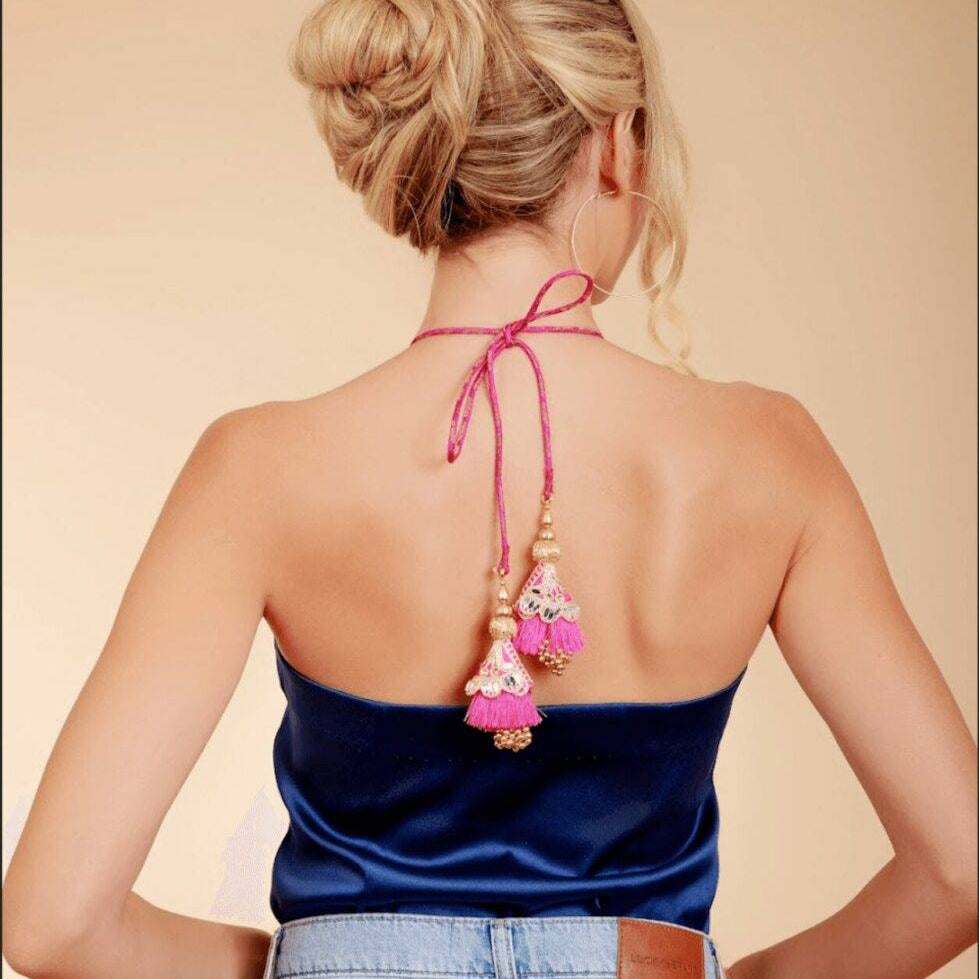
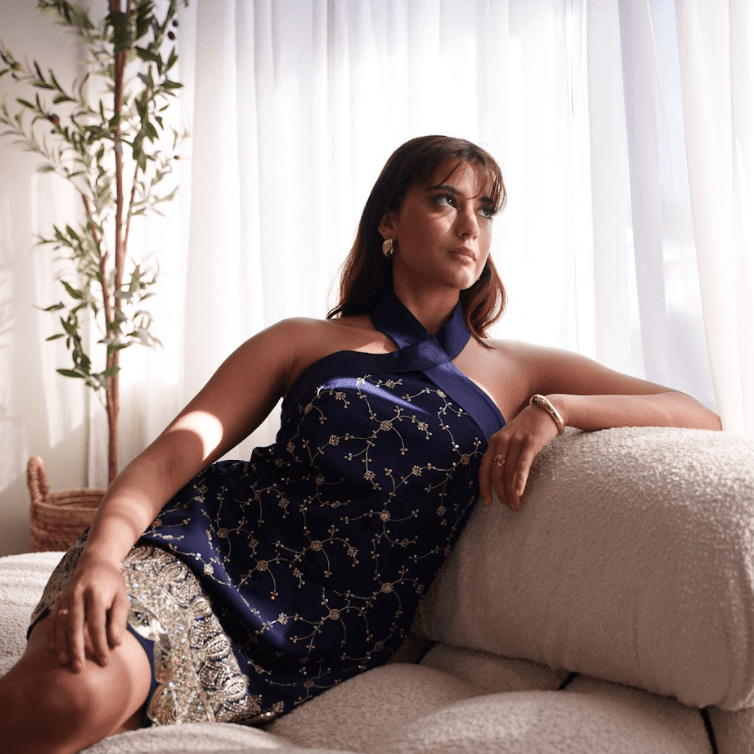
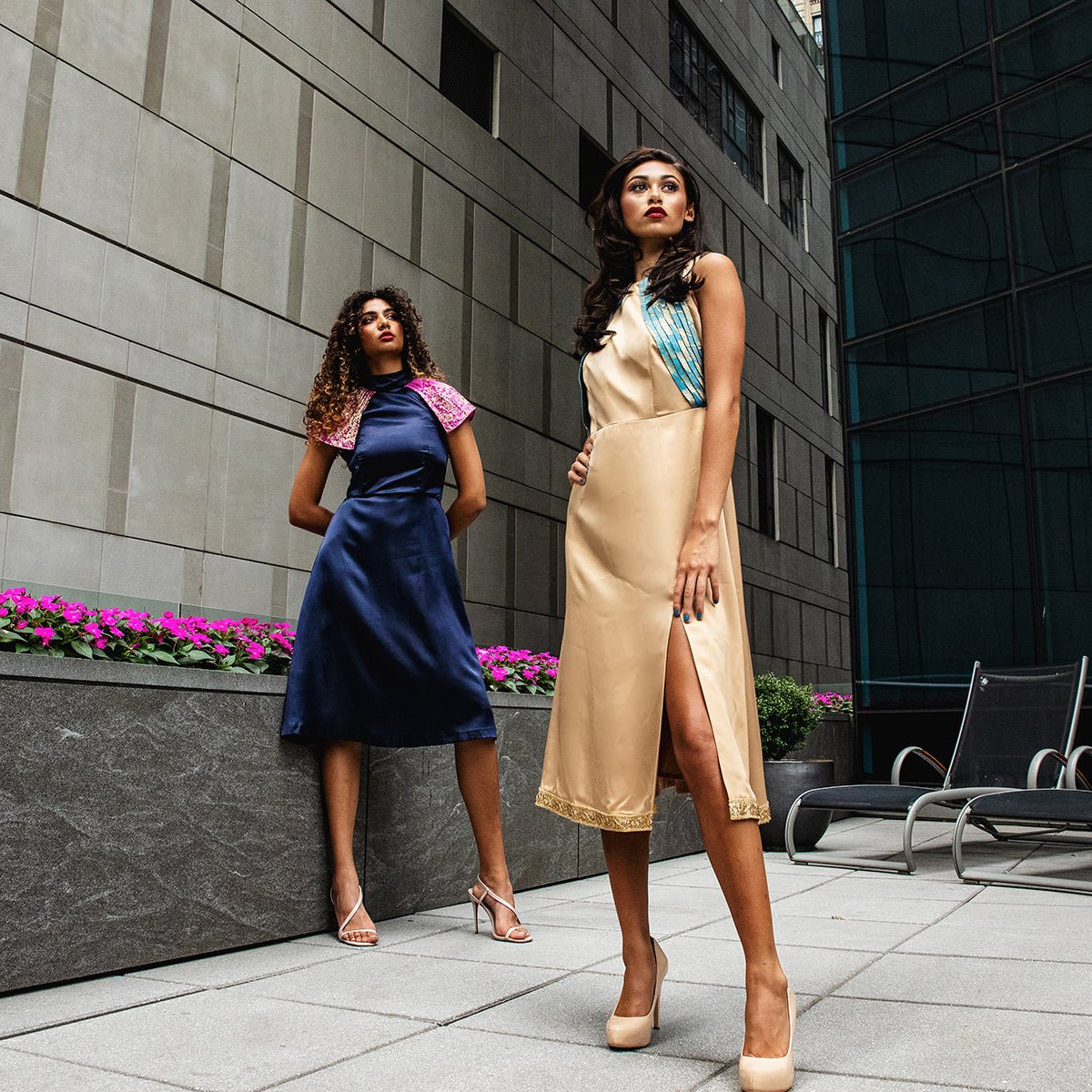
A true small batch clothing brand for women earns that description through deliberate design choices, ethical craftsmanship, and cultural meaning that outlasts any season. The sections ahead break down how to recognise that difference, what genuine ethical production looks like in practice, and why clothing rooted in living textile traditions tends to stay wearable far longer than anything trend-led. La' Agra's dress collection is a direct example of what those standards look like in practice.
What Small Batch Really Means in Womenswear
For a small batch clothing brand for women, the production number is a boundary, not a guarantee. What genuinely defines the category is the quality of decisions that limited scale makes possible — in materials, construction, and how a garment is designed to live in a real wardrobe over time.
Fewer Pieces, More Attention
Small batch production typically means runs of fewer than 500 units. That constraint is a creative one. When a brand isn't chasing volume, it can spend more time on fabric selection, fit, and finishing. Every stitch gets considered. Every seam earns its place.
What Mass Production Simply Cannot Do
Research on design and sustainability in fashion confirms that design-stage decisions are where meaningful quality differences are made. Mass production compresses those decisions. Small batch expands them, allowing for careful material sourcing, refined detailing, and silhouettes built to be reworn across seasons rather than retired after one.
Cultural Craft as a Design Standard
The environmental cost of disposable fashion is well documented. The less obvious point is why heritage-rooted design ages so differently from trend-led design: it was never built around novelty in the first place. South Asian textile traditions — block-printing, hand embroidery, region-specific weaving — developed over centuries to carry meaning and withstand use, not to capture a season. At La' Agra, each collection draws from those traditions and translates them into everyday modern silhouettes, so the visual richness reads as depth rather than reference. The result is clothing that doesn't need to be retired when the trend moves on, because it was never tethered to one.
How to Tell If a Brand Is Truly Ethically Made
"Ethically made" appears on a lot of labels right now, but the phrase alone tells you almost nothing. Knowing how to tell if a women's clothing brand is truly ethically made and sustainably produced comes down to specifics — not language. Organisations like Fashion Revolution and the Fair Labor Association have spent years mapping what genuine brand transparency actually looks like, and the signals are concrete, not poetic. Here is what to look for:
-
Named makers, not vague supplier claims. A brand with real integrity can tell you who made the piece, often by name or workshop location. La' Agra's Behind the Thread series does exactly this, putting artisan faces and stories at the centre of the brand rather than behind it.
-
Specific materials with a clear reason. Ethical sourcing means a brand can explain why a fabric was chosen, not just what it is. Look for references to natural fibres, low-impact dyeing, or heritage textile sourcing that connects material choice to longevity and reduced waste.
-
Production scale that matches the sustainability claim. Good On You's rating framework flags overproduction as one of the clearest signs of misaligned values. A brand that produces intentionally small runs avoids the excess inventory that typically ends up discounted or discarded.
-
Durability framed as a design principle, not a footnote. Genuine sustainability shows up in construction: reinforced seams, quality linings, and silhouettes designed to be reworn across occasions and seasons, not retired after one wear.
-
Cultural respect woven into the design process. For brands drawing on heritage traditions, ethical production includes how those traditions are engaged with. Are artisan communities credited and compensated? Is the craft treated as living knowledge or surface decoration?
La' Agra's approach to small-batch making reflects these standards not as a marketing position, but as a production reality. When artisan skill, cultural respect, and deliberate restraint in quantity all point in the same direction, that is the clearest signal that the ethics are real.

What Makes Culturally Inspired Fashion Feel Timeless
What should you look for in artisanal, culturally inspired fashion that feels timeless rather than trendy?
The difference between culturally inspired fashion that lasts and fashion that dates quickly comes down to origin. Trend-led design is made to feel new; it succeeds by contrast with what came before, which means it fails the moment something newer arrives. Heritage technique operates on a different logic entirely. The V&A's research on Indian textiles shows that embroidery, natural dyeing, and region-specific weaving carry a visual grammar refined over centuries — one that doesn't reference any single moment and therefore isn't diminished when that moment passes. When those techniques shape a contemporary silhouette, the garment stops reading as "cultural" in a narrow sense. It becomes something a woman reaches for repeatedly, across seasons and occasions, because its distinctiveness was never borrowed from a trend cycle.
Construction matters just as much as the motif itself. Research into garment longevity confirms that material quality and construction precision determine whether a piece holds its shape across years, not just one season. La' Agra draws from South Asian textile traditions, including block-printing lineages refined over centuries, and translates them into womenswear designed to move between occasions without effort. The artisanal craftsmanship behind each piece keeps it distinctive without tying it to any single trend or moment.
FAQ: Cost, Longevity, and Why La' Agra Stands Out
When you're considering a higher-priced, artisan-made piece, the questions that come up are practical ones: Is it worth it? Will I still love it in three years? How do I know the brand means what it says? The answers below address exactly that.
What makes a small batch clothing brand worth the investment?
The value comes from cost-per-wear, not the price tag alone. Research published in MDPI's 2024 study on sustainable fashion found that consumers place real monetary value on durability and fair working conditions when they understand what they're buying. A garment worn 50 times costs far less per wear than a cheaper piece worn twice.
Why does La' Agra stand out among small batch clothing brands for women in 2026?
Most brands use "small batch" to signal scarcity. La' Agra uses it to protect craft. Limiting production isn't a sales mechanic here — it's what makes hand-embroidery, considered fabric sourcing, and genuine artisan partnership possible. When volume is constrained, quality decisions expand: which motif, which weave, which artisan's hands. Each piece draws on South Asian textile traditions refined over centuries and is made in limited runs precisely so that standard can be held. The design, the making, and the cultural meaning are inseparable — and that coherence is what you're investing in. Explore the process through Behind the Thread.
How long can a well-made artisan garment realistically last?
With proper care, significantly longer than most people expect. Storing pieces away from direct light and humidity, as textile conservators advise, protects hand-embroidered details and delicate fabrics for years.
How can you tell whether artisanal luxury will stay wearable rather than feel dated?
Look for restraint. Pieces built around refined technique rather than a single trend have more staying power. La' Agra's approach, fusing traditional embroidery and motifs with contemporary silhouettes, means the cultural richness reads as design depth rather than novelty. Visit the FAQ page for sizing, returns, and fitting consultations that make the buying decision easier.
Choose Dresses with Craft You Will Wear for Years
Longevity in a wardrobe isn't luck — it's the result of specific decisions made long before a garment reaches you. Research from WRAP shows that extending a garment's life by just nine months can reduce its environmental footprint by around 20%, and that gain begins at the design stage: in the quality of the fabric, the precision of the construction, the care given to every seam. A recent study published in Nature adds something the sustainability conversation often misses — emotional and cultural value are just as important as material quality in keeping a piece in use. A garment you understand, one with a story and a heritage you feel connected to, is a garment you hold onto.
That is exactly what artisan-crafted dresses for women, rooted in genuine heritage, offer — and why "small batch" is only meaningful when the craft behind it is real. La' Agra's dress collection brings hand-embroidered detail, natural fabric choices, and South Asian textile traditions translated into contemporary silhouettes: pieces made to be worn for years, by women who choose clothing with intention.
Find a dress worth keeping: explore La' Agra.