By: Rekha Ananthanpillai
Last Updated: 8/14/26 - 20 min Read
Key Takeaways:
-
Small-batch clothing only becomes genuinely sustainable when fewer units are matched with durable construction, thoughtful materials, and designs worth wearing for years.
-
Short production runs can reduce deadstock and overproduction, but trend-led limited editions still create waste when they are made to be replaced rather than kept in rotation.
-
In luxury fashion, artisan craftsmanship, lifecycle-minded fabrics, and timeless silhouettes carry the real sustainability case because they extend a garment’s physical life and emotional relevance across seasons.
"Small batch" has become fashion's most elastic phrase. A label on twenty pieces and a label on two hundred can both carry it. Neither number answers the question that actually matters: will this garment still be worn five years from now?
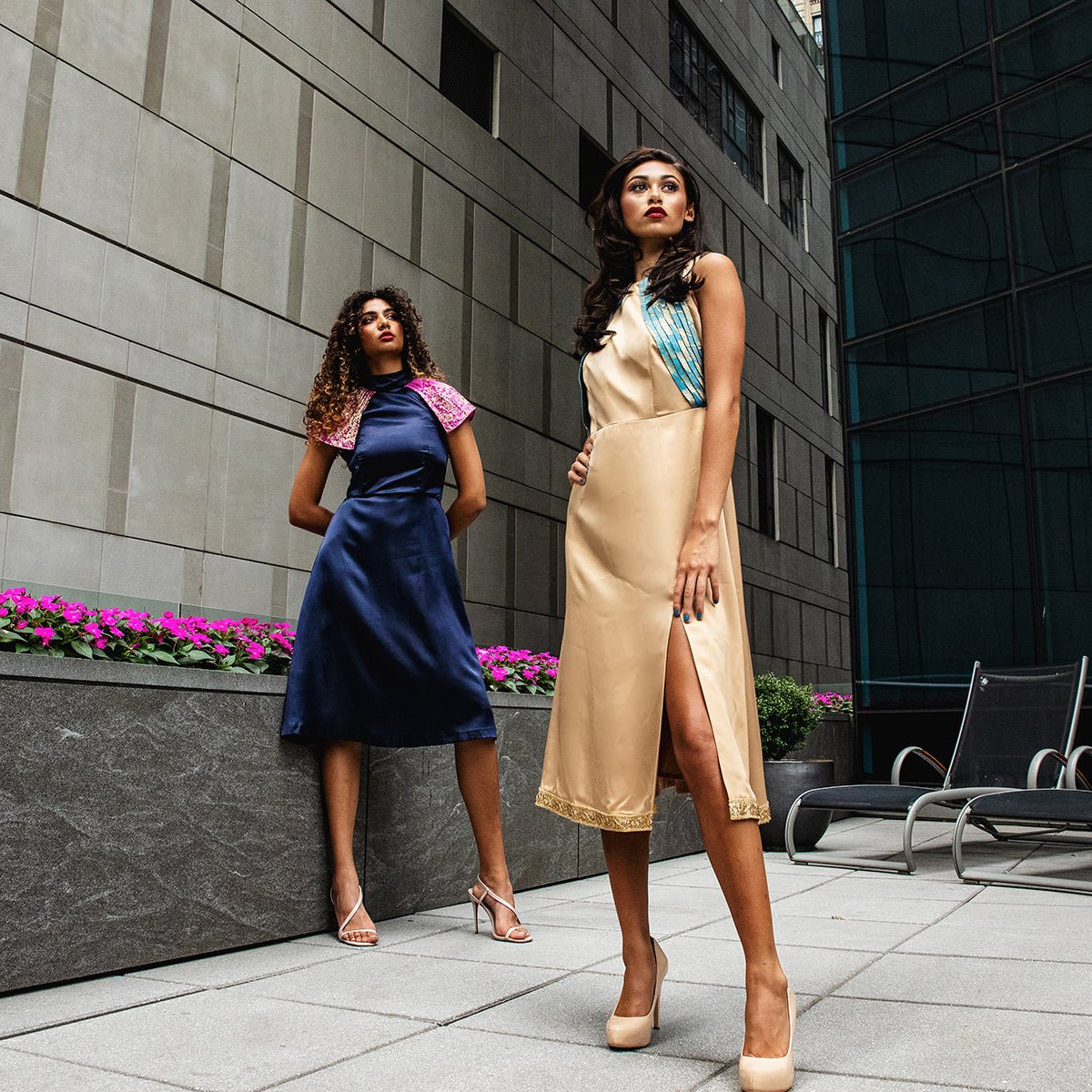
The US fashion industry generates around 17 million tons of textile waste each year—and some of that waste arrives in small, carefully branded runs. Limited production reduces the risk of unsold inventory, but it does not, on its own, make a garment sustainable. What does is the combination: construction that holds, materials chosen for longevity, and design rooted in something deeper than this season's mood. La' Agra builds every piece around those conditions. Explore La' Agra's Dresses, where small-batch craft meets enduring, artisan-led design.
How Small-Batch Production Reduces Fashion Waste
The fashion industry loses an estimated USD 120 billion annually to unsold and deadstock inventory. How small-batch production reduces fashion waste compared with mass production rests on a simple premise: make less, risk wasting less. But the premise only holds under specific conditions.
Restraint Is Built Into the Model
Mass production typically commits to large volumes before demand is confirmed. Small-batch production begins with a much smaller number of units, which means fewer garments risk sitting unsold, marked down, or discarded. The Ellen MacArthur Foundation frames this as a structural problem with fashion's linear model, where overproduction is practically inevitable at scale. Producing fewer pieces from the start changes that equation.
Shorter Runs Allow for Adjustment
Smaller production runs create space to refine. A brand can observe how an early run performs, adjust proportions, reconsider a fabric weight, or respond to real demand before committing further. This is harder to do when thousands of units are already cut. The UK Parliament's Environment Audit Committee found that overproduction is one of the primary drivers of pre-consumer waste, and that matched supply, where output responds to actual demand, is one of the more direct ways to reduce it.
At La' Agra, this is built into how intentional scarcity works in practice. Small runs aligned to artisan capacity mean production doesn't outpace what can be made well.
Fewer Units Don't Automatically Mean Less Waste
This is where the argument gets more honest. A short run of trend-led pieces can generate just as much churn as a mass-produced line, because the problem isn't only how many garments are made. It's how long they stay in use. If a customer wears a piece twice and replaces it, the lower production volume changes very little about its environmental cost. The Environment Audit Committee noted this pattern specifically, describing how fast luxury and short-run trend cycles can replicate the disposal habits of mass fashion at a smaller scale. Restraint in production is only part of the answer. A short run of pieces designed to be worn twice and set aside is still a waste problem—just a smaller, better-packaged one. What gets made still has to be worth keeping, season after season, by the person who chose it.

Natural Fibres Support Small-Batch Sustainability
Material choice shapes whether a small-batch garment actually earns its sustainable credentials or simply wears the label. A peer-reviewed lifecycle analysis comparing natural and synthetic fibres found that no single fibre category is universally low-impact; outcomes depend heavily on how a fibre is grown, processed, and dyed. What natural fibres and low-impact materials do offer, when sourced with care, is a material story that aligns with the intention behind small-batch production.
-
Judge a fabric by its whole life, not just its origin. A fibre labelled "natural" is not automatically responsible. Processing, dyeing, and finishing all carry environmental weight, which is why the UNEP's guidance on sustainable textiles calls for lifecycle thinking rather than relying on a single material claim.
-
Prioritise durability and feel alongside provenance. Fabrics worth choosing for small-batch luxury are the ones that hold their structure, drape beautifully after repeated wear, and remain comfortable across seasons. La' Agra's own material philosophy treats tactile quality and longevity as inseparable from ethical sourcing.
-
Certified fibres raise the bar on accountability. The Textile Exchange Materials Market Report 2024 documents modest but real gains in certified natural and animal fibres, showing that certification schemes offer a more traceable route to responsible material choices than fibre type alone.
-
Refined fabrics earn their place through versatility. In luxury small-batch fashion, a silk blend or hand-woven brocade justifies its place in a wardrobe when it can move from a formal occasion to an elevated everyday look. La' Agra's fabric spotlights show how textiles like these carry both cultural depth and practical wearability across years, not seasons.
-
Care instructions are part of the sustainability equation. A garment made from thoughtful materials still needs to be maintained to realise its potential lifespan. Knowing how to wash, store, and refresh a piece is as much a part of responsible ownership as the sourcing decision itself.
Artisan Craft and Timeless Design Extend Wear
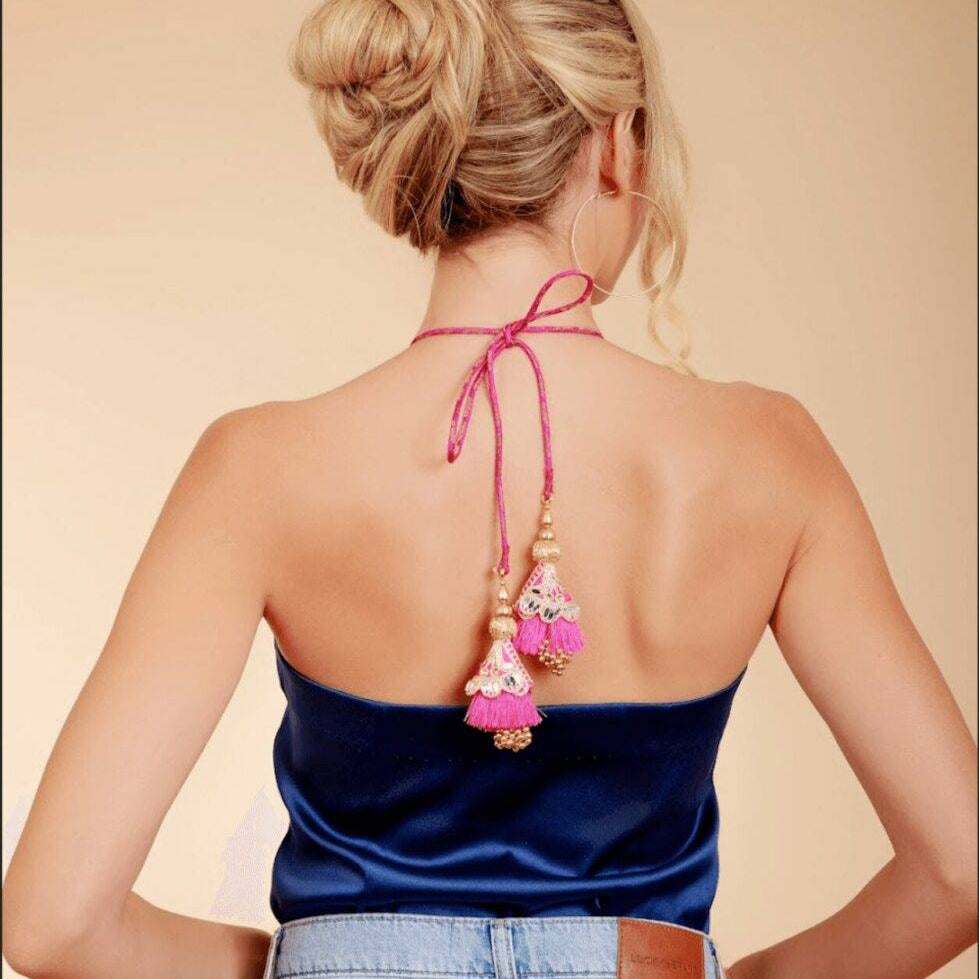
The sustainability of a small-batch garment is shaped by what happens at the construction stage. Hand-embroidery, reinforced seams, and carefully chosen fabrics create pieces that hold their form through years of wear. The Ellen MacArthur Foundation notes that physical and emotional durability work together to keep garments in active use longer. A piece built with care invites the wearer to return to it, season after season, rather than setting it aside.
Timeless design carries that work further. A silhouette drawn from South Asian heritage—its motifs refined over centuries rather than a single runway cycle—holds its reference point in something that does not expire when the season does. Hand-embroidered detail reads differently from printed pattern precisely because it cannot be replicated quickly or cheaply; its value is visible, and it grows more legible with wear. Each piece moves between occasions and seasons not because it is deliberately neutral, but because it is deliberately rooted.

Small-Batch Clothing Sustainability FAQs
Small-batch production raises questions worth sitting with—because the answers rarely match the label. Here are the distinctions that matter most.
Is small-batch clothing always more sustainable than mass production?
Not automatically. A limited run reduces the risk of unsold inventory and overproduction, but production volume alone does not determine a garment's environmental value. If a small-batch piece is trend-led and worn only a few times, the sustainability case weakens considerably.
What makes a luxury garment sustainable beyond being produced in limited numbers?
Material choice, construction quality, and how long a garment stays in use all matter far more than unit count alone. Physical construction and emotional connection—the pull toward a piece you return to season after season—work together to keep it in active use. A garment earns its place through that kind of repeated, confident wear.
Why do timeless design and artisan craftsmanship matter as much as materials in sustainable small-batch fashion?
Materials set the foundation, but design and craftsmanship determine how long a piece stays relevant and intact. A well-constructed garment with a balanced silhouette resists the pull of seasonal replacement. Heritage techniques and thoughtful construction translate directly into fewer purchases and less waste over time.
How can you tell if a brand's small-batch approach is genuine?
Look for transparency about who makes the garments, how long production takes, and what happens when a style sells out. La' Agra's pre-order timelines of three to four months reflect genuine artisan capacity, not manufactured scarcity. Authentic small-batch production is shaped by craft constraints, not just marketing strategy.
Does a smaller run mean a garment has a lower environmental footprint?
Not without a fuller picture. Life cycle assessments show that environmental impact spans raw material sourcing, production processes, and consumer care, not just how many units were made. A piece with ethically sourced materials, skilled construction, and long wearability carries a meaningfully lighter footprint across its whole life.
Choose Dresses Designed to Stay in Rotation
Small-batch production is only part of the sustainability story. What determines a garment's real value is how long it stays in use. WRAP's research found that extending a garment's life by just nine months reduces its carbon, water, and waste footprint by around 20%. A dress made with intention, and worn across seasons, carries far more environmental weight than a short run ever could on its own.
The WRAP figure is worth sitting with: nine additional months of wear reduces a garment's environmental footprint by around 20%. A piece designed around South Asian heritage—hand-embroidered, considered in its cut, built to move between a formal occasion and an elevated everyday—doesn't stay in rotation for nine months. It stays for years. That difference is not a marketing claim. It is a construction decision, made before the first stitch.
Discover La' Agra's timeless luxury dresses crafted to move from one occasion to the next, season after season, without losing their place in your wardrobe.